
Literature Reviews
Find out more about our Literature Reviews, History Detectives and historical timeline.
Past to Present
Birmingham's Anti-Racist Narrative Timeline
The anti-racist timeline traces how Birmingham’s histories of migration, labour, and culture intersected with struggles against racism from the late 19th century to the post-war period and beyond. Beginning with the presence of Black and Asian workers in the city’s industries, it charts how communities challenged discrimination, from early trade union activism and colour bar cases to solidarity expressed through cultural events and artistic expression. By situating local experiences within broader currents of decolonisation, civil rights, and global justice movements, the timeline highlights the resilience and creativity of communities who resisted exclusion and helped lay the foundations for Birmingham’s anti-racist traditions.
Note – The timeline content is available under the license of Creative Commons 4.0. The Birmingham Race Impact Group must be credited for its use.
1910s-1930s
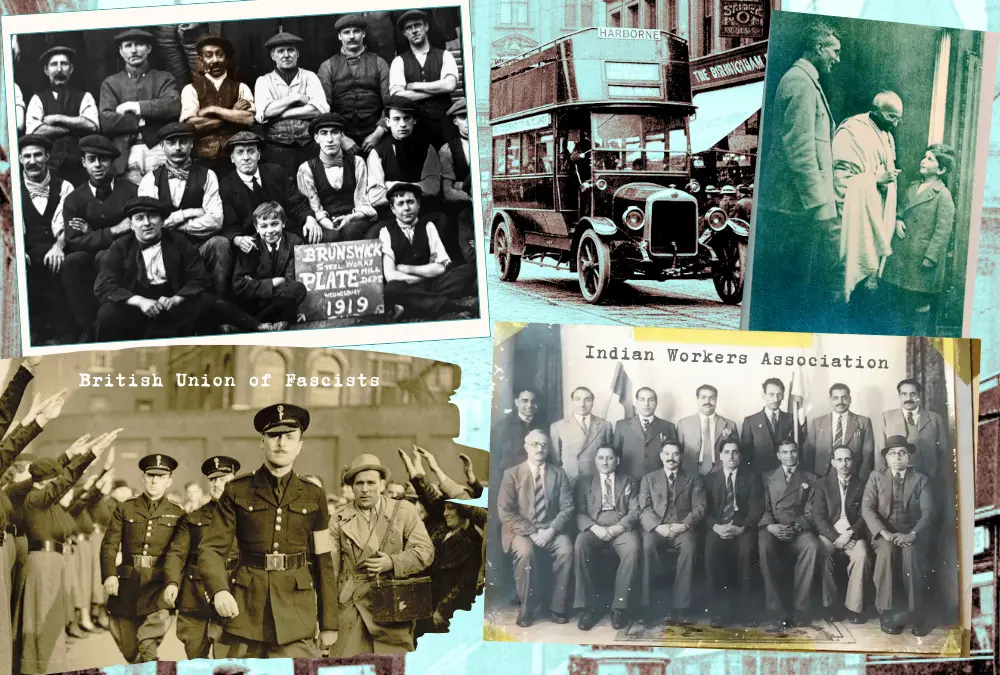
These decades before World War II saw Black, Chinese, and Indian migrants face systemic segregation in Birmingham, spurring early anti-racism efforts against discrimination and fascist figures like Oswald Mosley, with the global significance underscored by Mahatma Gandhi's 1931 visit.
1940s
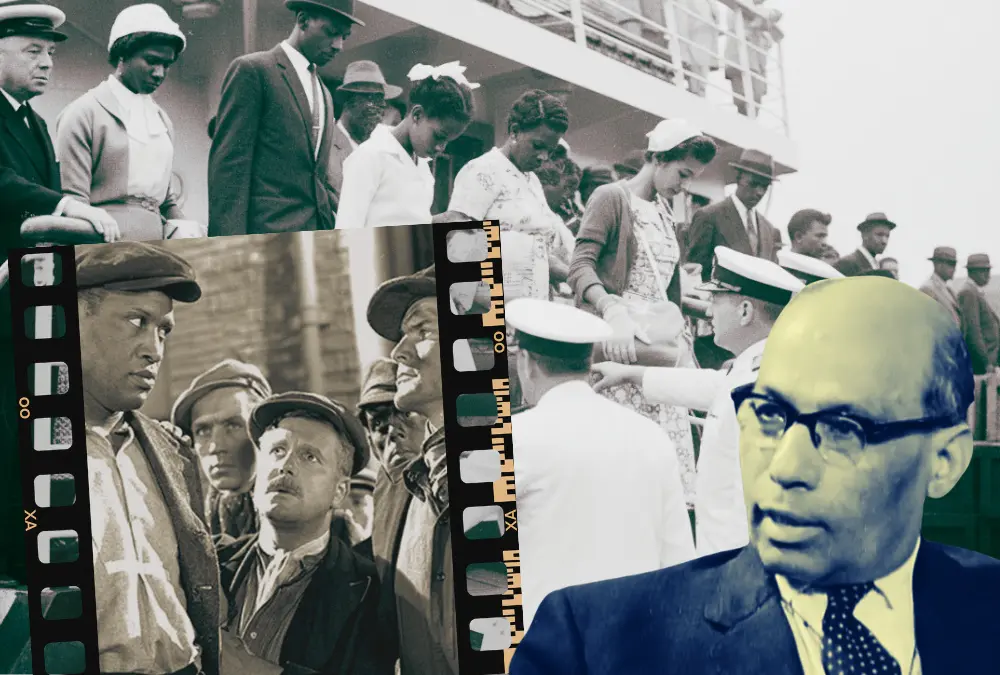
From Indian workers to Caribbean pioneers, wartime Birmingham exposed tensions of identity, race and belonging in modern Britain, highlighting both solidarity and hostility towards its migrant communities.
1950s
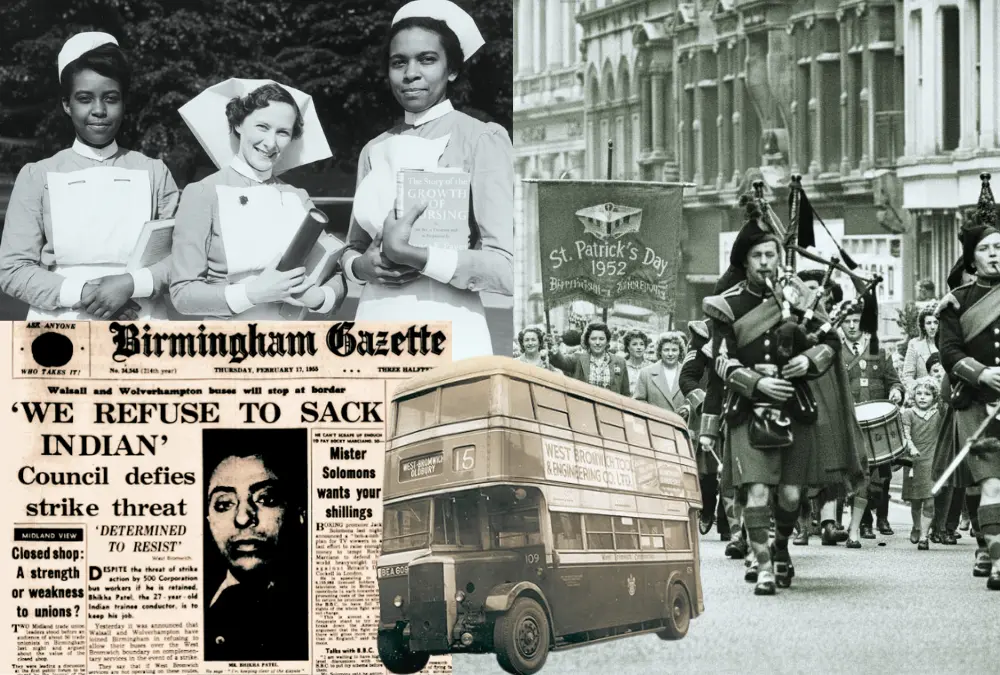
Birmingham in the 1950s underwent a significant social transformation, characterised by the emergence of new migrant communities from the Commonwealth who, while facing prejudice, actively built their own institutions and laid the groundwork for future civil rights struggles.
1960s

In the 1960s, Birmingham became a key battleground for racial equality, as a BBC documentary exposed the pervasive "colour bar" and the community's powerful backlash against Enoch Powell's "Rivers of Blood" speech solidified the city's anti-racist movement.
1970s
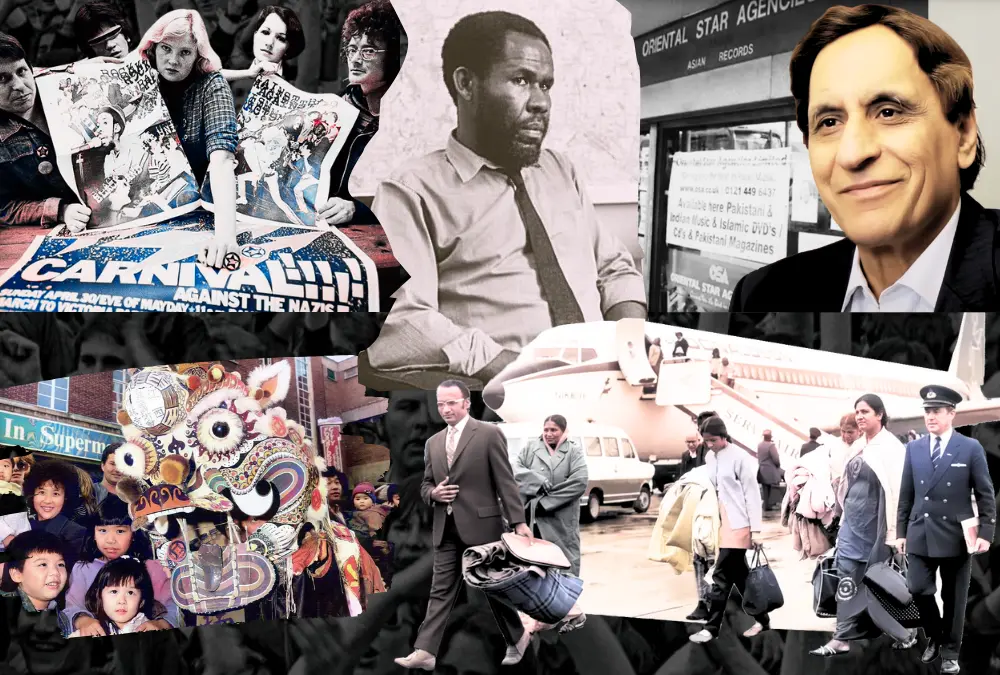
From equality for black nurses, OSA establishing as the first British South Asian record label, and Steel Pulse's anti-facist tour, the 1970s became a powerhouse of grassroots anti-racist resistance and cultural transformation in Birmingham.
1980s
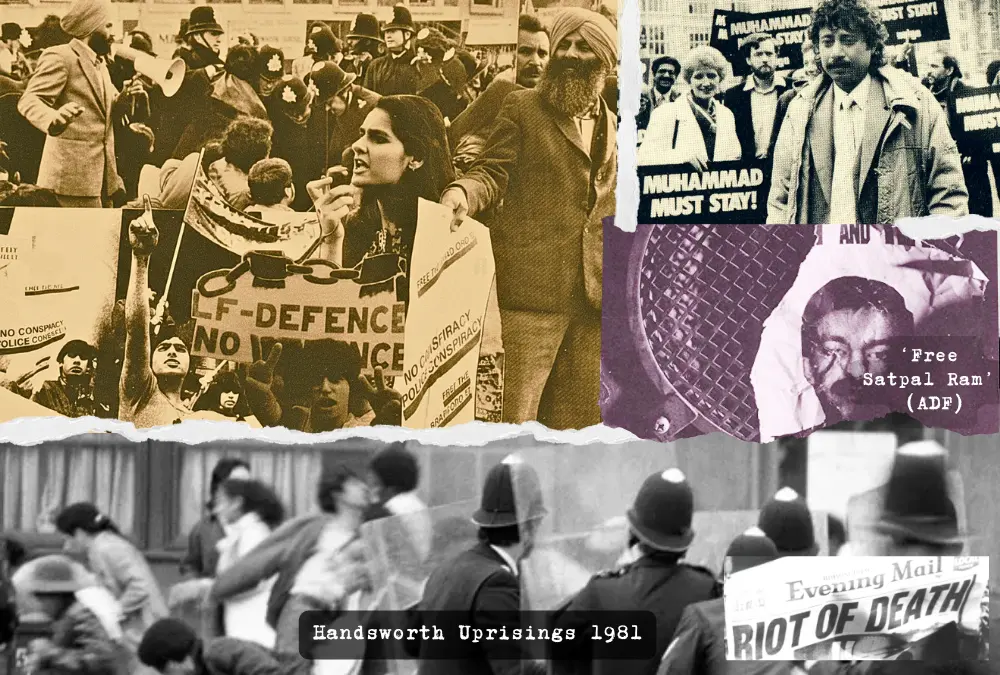
Fueled by the Handsworth Uprisings and militant youth groups like the Birmingham Black Sisters, the 1980s solidified Birmingham's anti-racist resistance and achieved global cultural milestones with Steel Pulse and the BLK Art Group.
1990s
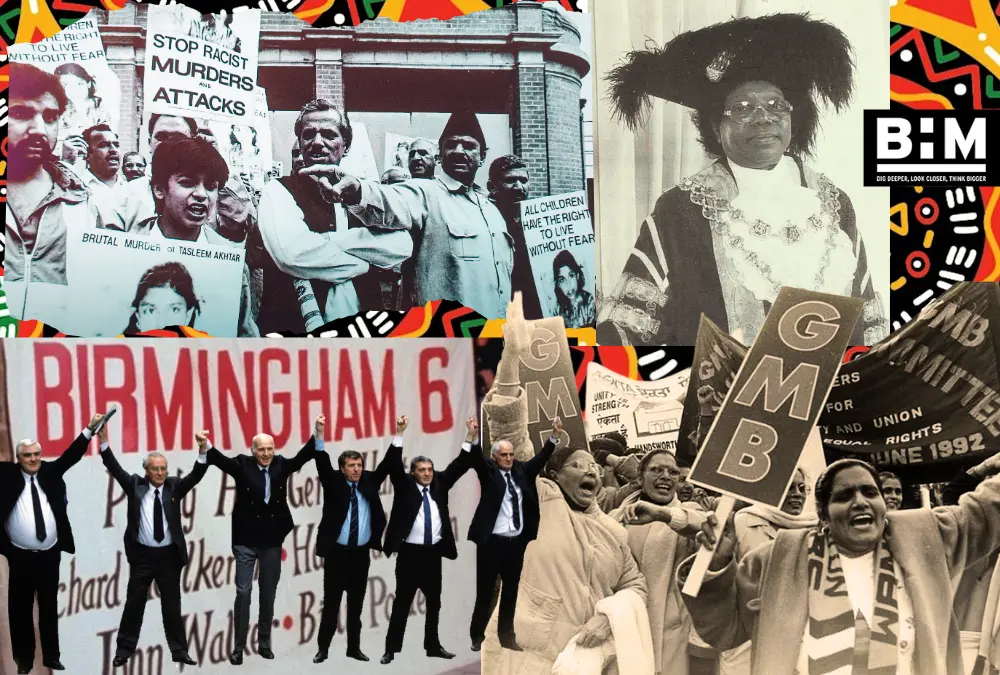
Driven by the Birmingham Six release, the 1990s achieved lasting civic accountability through the ADAE Campaign and the UFFC, which sought justice following losses like Tasleem Akhtar; while simultaneously celebrating super-diversity and achieving the historic election of Sybil Spence.
2000s
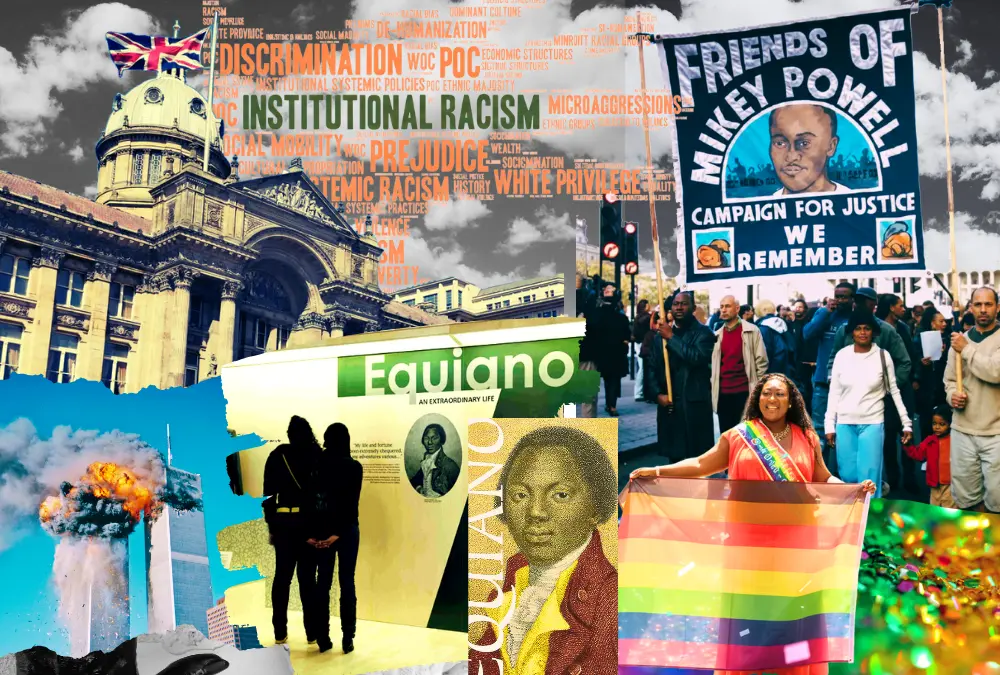
The 2000s in Birmingham saw institutional denial of racism and post-9/11 Islamophobia ignite a wave of grassroots and intersectional resistance, notably the Mikey Powell Campaign and Lady Phyll founding UK Black Pride.
2010s
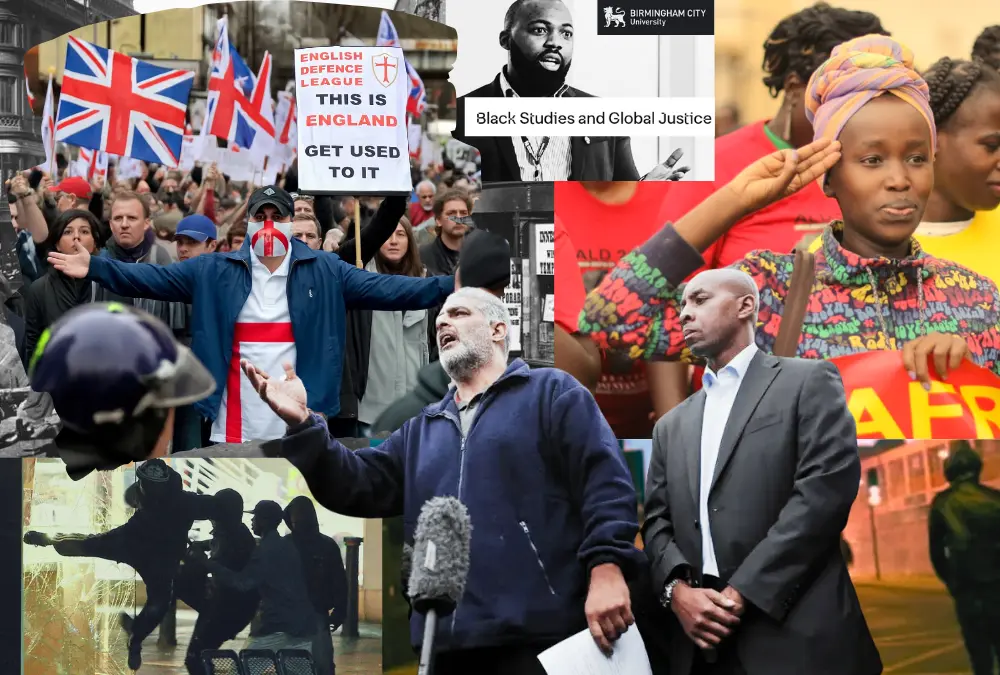
Facing far-right violence and institutional moral panic, the 2010s in Birmingham fueled a powerful movement for decolonisation and intellectual resistance, culminating in Europe's first Black Studies degree and landmark cultural reckoning.
2020s
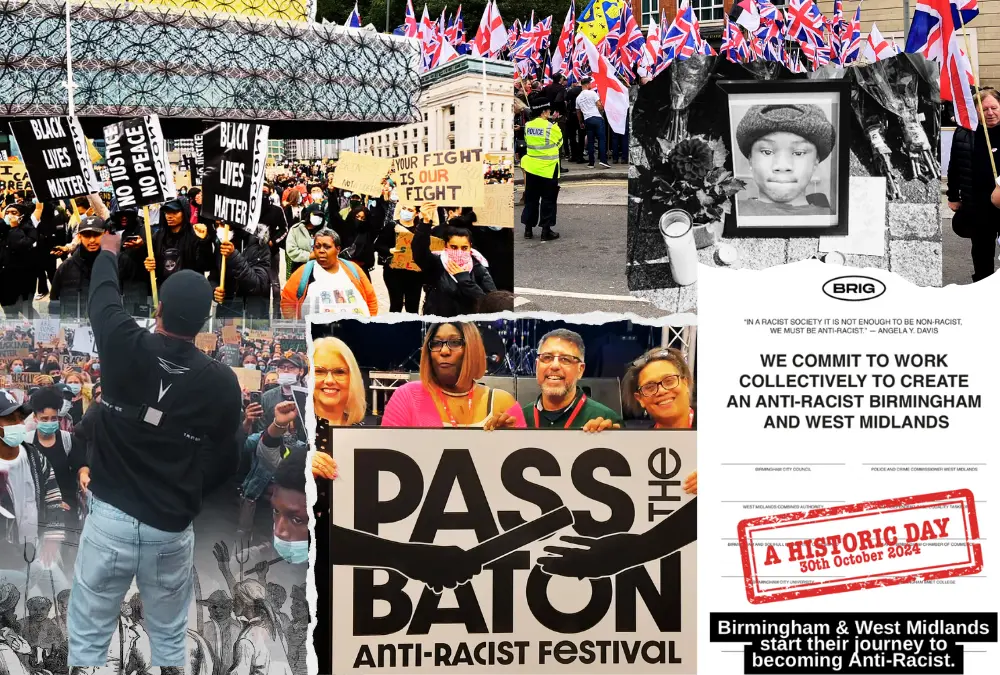
The 2020s saw the energy of the Black Lives Matter movement translate into a fight for institutional accountability, marked by landmark convictions, the signing of the BRIG Anti-Racist Pledge for Birmingham and the West Midlands, and persistent resistance to racist violence and imperial legacies.
Downloads
Literature Reviews
The Literature Reviews are a vital cornerstone of the Pioneers Heritage Lottery Funded project, meticulously documenting a century of anti-racist struggle in Birmingham. By preserving the “living memory” of local activism, these reviews shift the focus from cold statistics to the lived experiences of those who fought for justice. They provide a essential repository of historical lessons and best practices, aiming to “pass on the baton” to new generations and equip them for the ongoing journey toward an anti-racist city.
Note – The timeline content is available under the license of Creative Commons 4.0. The Birmingham Race Impact Group must be credited for its use.
Introduction
Here is the full introduction to the literature reviews.
Timeline
This is the complete timeline of anti-racism between 1900s-2020s.
01
Criminal Justice
Examining Birmingham’s criminal justice history, this review uncovers how systemic biases and colonial legacies have shaped the policing of racialised communities. It highlights the persistent grassroots struggles for accountability, legal fairness, and structural reform.
Powered By EmbedPress
02
Employment
Tracing Birmingham’s employment landscape from the early 20th century, this review details the systemic inequalities and wage disparities faced by Global Majority workers. It celebrates the resilient community-led strikes and campaigns that fought for workplace justice.
Powered By EmbedPress
03
Health & Housing
Uncovering a century of systemic housing and health discrimination in Birmingham, this review documents the persistent marginalisation of Global Majority communities. It highlights the vital grassroots activism from the 1930s to today that continues to challenge these deep-seated inequalities.
04
Education
This review examines Birmingham’s anti-racist education history, shifting focus from mere data to the lived experiences of “dignity” and “potential.” It celebrates the community-led activism and supplementary schools that have humanised learning despite systemic challenges.
Powered By EmbedPress
Complete Literature Reviews
Here is the full document containing all the literature reviews..