
From equality for black nurses, OSA establishing as the first British South Asian record label, and Steel Pulse's anti-facist tour, the 1970s became a powerhouse of grassroots anti-racist resistance and cultural transformation in Birmingham.
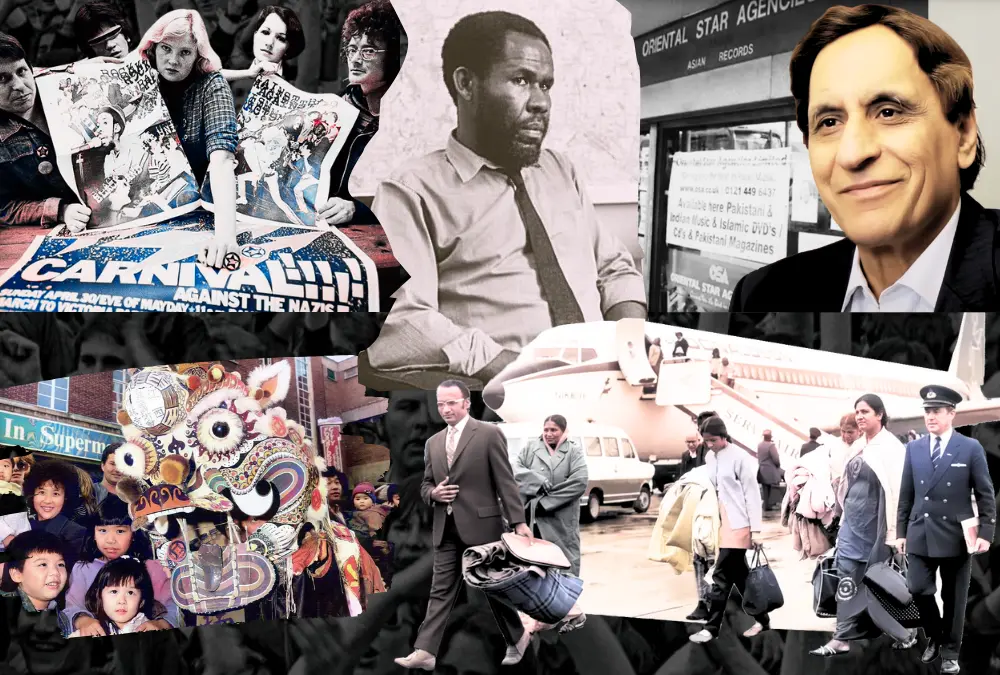
By the early 1970s, Birmingham’s second-generation immigrant youth were coming of age in a country that saw them as both British and foreign. Born or raised in the city, they spoke with local accents and walked familiar streets, but daily reminders, slurs in the playground, lowered expectations in school, suspicious glances on buses—made clear they weren’t fully accepted. Belonging, for many, was conditional.
In response, Black and Asian communities began building their own institutions, starting with education. Bernard Coard’s 1971 pamphlet, How the West Indian Child Is Made Educationally Subnormal in the British School System, sent shockwaves across Britain. In Birmingham, where parents had long raised concerns, it spurred action. Supplementary schools emerged in churches and community halls, offering children not just academic support, but lessons in pride, history from Asian, Africa and the Caribbean, poetry, and stories that reflected their lives.
Community educators like Gus John documented these realities. His 1970 report, Race in the Inner City, published by the Runnymede Trust, examined life for African-Caribbean youth in Handsworth. It laid bare how police profiling, school exclusion, and housing inequality weren’t isolated issues but symptoms of a broader system of institutional racism.
As the fight for recognition intensified, another form of expression was rising—music. In Balsall Heath, Mohammed Ayub’s Oriental Star Agency began as a modest record shop, catering to Birmingham’s growing South Asian community. But by the mid-70s, it had become a pioneering record label, bringing traditional and contemporary South Asian music to British audiences. Artists like Nusrat Fateh Ali Khan and Bally Sagoo found early platforms there, blending qawwali, bhangra, reggae, and hip-hop into something unmistakably new.
Meanwhile, in Handsworth, the reggae band Steel Pulse was preparing to release its seminal debut, Handsworth Revolution. With politically charged lyrics and deep roots in Caribbean sound, the 1978 album gave voice to the frustrations and hopes of Black British youth. It called out racism, police brutality, and inequality, while offering anthems of resistance.
By the end of the decade, Birmingham’s children of immigrants were no longer waiting to be accepted. Through education, activism, and music, they were asserting their place in British society, on their own terms. It wasn’t just about fighting discrimination; it was about creating new cultural forms, rooted in struggle and alive with possibility.

1970: Mohammed Ayub establishes Oriental Star Agencies
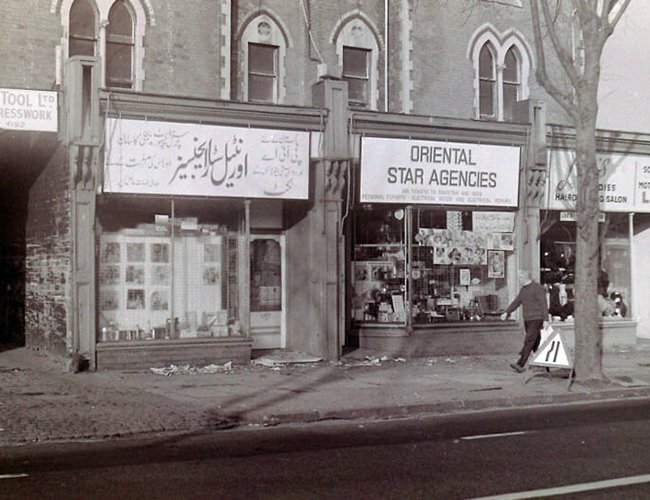
In 1970, Mohammed Ayub founded the Oriental Star Agency (OSA) in Balsall Heath, Birmingham. Starting as a modest record shop, it soon became the UK’s first South Asian record label, transforming British Asian music and identity. At a time when migrants faced racism and isolation, OSA provided a vital cultural lifeline, offering music that connected communities to their roots. The shop became a social hub, while the label amplified South Asian voices through recordings and distribution.
OSA introduced iconic artists like Nusrat Fateh Ali Khan to global audiences and helped shape the British Asian sound with acts like Bally Sagoo, who fused traditional music with reggae, soul, and hip-hop. More than a label, OSA was a cultural institution—nurturing talent, encouraging cross-cultural collaborations, and offering representation in a media landscape that largely ignored migrant stories. Its founding marked a pivotal moment in Birmingham’s cultural history, cementing the city’s place as a dynamic centre for diasporic creativity and musical innovation.
Read more here
Watch DESIblitz INterview with Mohd. Ayub
1970: Black Nurses Strike for Equality
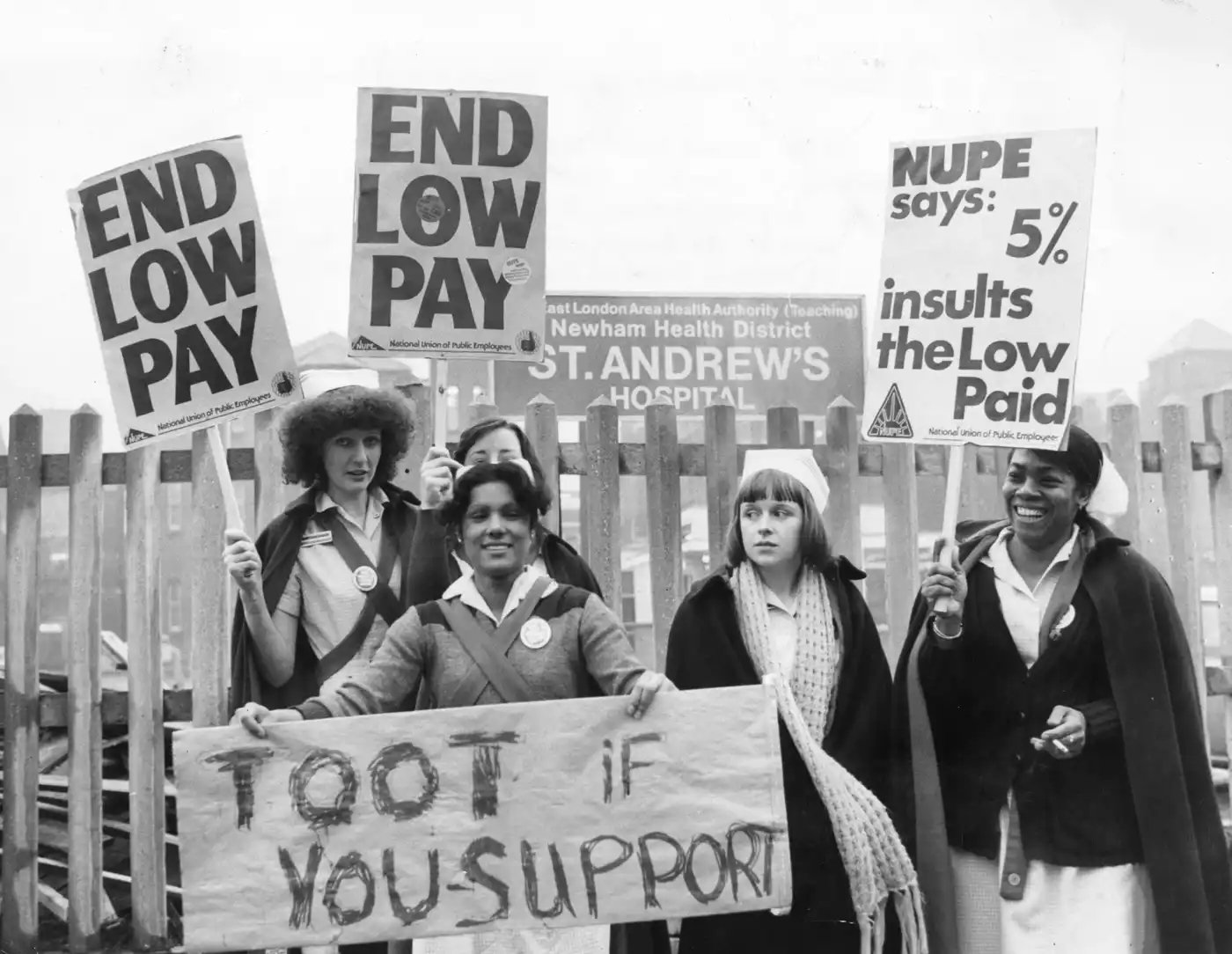
In 1970, a group of Black nurses in Birmingham staged a strike that exposed racial discrimination within the NHS and marked a pivotal moment in workplace resistance. The protest began when two Black trainee nurses were unfairly dismissed just eight weeks into their training, allegedly for failing a test three times. Many believed the decision was racially motivated, reflecting broader inequalities faced by Black nurses across the NHS.
In response, around 50 Black nurses went on strike—some for half a day, others for several days—demanding the reinstatement of the dismissed trainees. Supported by the West Indian Association, which provided advocacy and organisational backing, the strike gained wider attention.
The action succeeded: both trainees were reinstated. More than a local dispute, the strike was one of the first coordinated efforts by Black NHS staff to challenge discrimination. It demonstrated the power of collective action and highlighted the vital role Black workers played—not only in running the NHS but in shaping its fight for equality.
1970: Race in the Inner City by Gus John
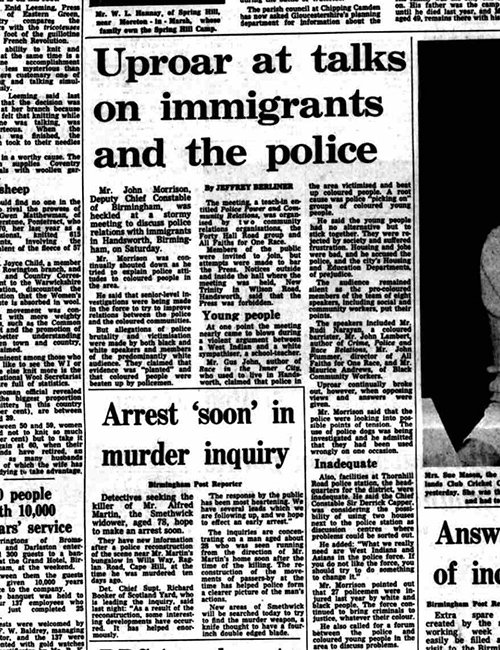
In 1970, community activist and educator Gus John authored Race in the Inner City, the Runnymede Trust’s first publication. This pioneering study focused on African-Caribbean youth in Handsworth, Birmingham, offering one of the earliest detailed accounts of institutional racism and social exclusion in post-war Britain.
John documented racial prejudice in schools, police harassment, and barriers to employment, highlighting the frustration felt by young Black people and their families. Though Handsworth in the late 1960s remained majority white, with Caribbean residents forming the second largest group, growing inequalities and racial scapegoating were fueling tensions.
By 1969, the Birmingham Evening Mail dubbed the area “the Angry Suburbs,” reflecting rising discontent. John argued this anger was a rational response to structural injustice, not a symptom of disorder.
Race in the Inner City gave voice to Black youth and challenged institutions to address racism. As Runnymede’s first report, it laid the groundwork for decades of race relations research and advocacy in Britain.
1970s: Supplementary Schools Challenge Racism in Birmingham’s Education System
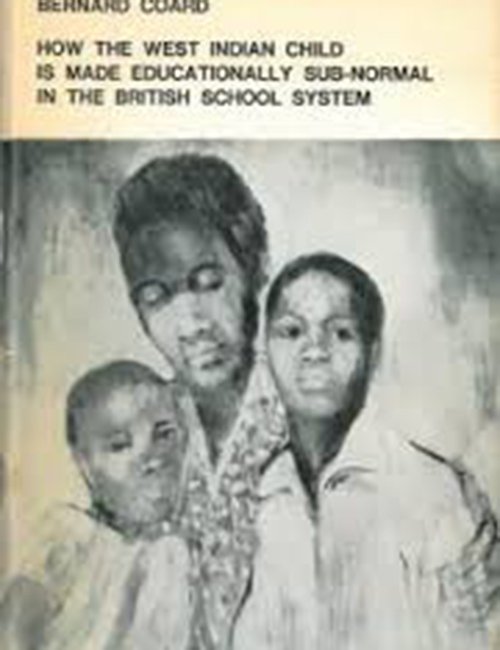
The 1971 publication of Bernard Coard’s pamphlet, How the West Indian Child is Made Educationally Subnormal in the British School System, sparked nationwide outrage and action. In Birmingham, where African-Caribbean families had long raised concerns about racism in education, it ignited a growing supplementary school movement.
Black parents and activists established Saturday and evening schools in church halls, community centres, and homes. These schools offered academic support in subjects like maths and English, while also teaching African and Caribbean history, literature, and cultural pride—countering the low expectations placed on Black children.
Organisations like the Afro-Caribbean Self Help Organisation (ACSHO), which launched the UK’s first Black supplementary school in 1967, played a leading role. Throughout the 1970s, the movement expanded, powered by parents and volunteers determined to challenge an education system marred by institutional racism.
These schools became centres of resistance, solidarity, and empowerment—transforming educational support into a broader fight for racial justice, equality, and self-determination in Birmingham.
Watch
1971: National Conference on the Rights of Black People in Britain
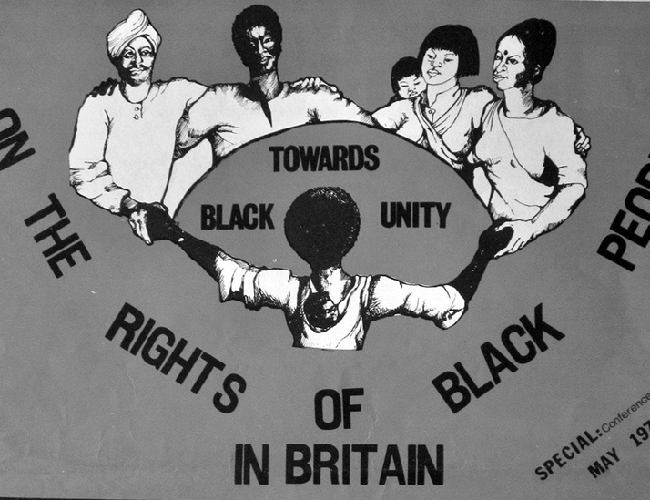
In May 1971, the National Conference on the Rights of Black People in Britain gathered activists, community leaders, and grassroots groups to confront systemic racism, police harassment, and institutional exclusion. Held amid rising racial tensions, the event reflected a growing Black political consciousness, especially in the Midlands.
Organised by local groups such as Afro-Carib Self Help (Birmingham), the Black Unity and Freedom Party, and the Afro-Carib Circle (Wolverhampton), the conference addressed key issues including the colour bar in housing, police stop-and-search abuse, and the mislabelling of Black children as “educationally subnormal.”
Delegates focused on building independent institutions—like supplementary schools, advice centres, and cultural spaces—to empower communities and reduce reliance on discriminatory state systems.
Crucially, the conference championed grassroots, Black-led leadership over dependence on mainstream politics. It marked a turning point in Britain’s anti-racist movement, fostering inter-city collaboration and laying the groundwork for campaigns that defined the 1970s. Rooted in local struggle, it helped unite a national movement for Black self-determination and justice.
1972: Ugandan Asians Arrive in Birmingham
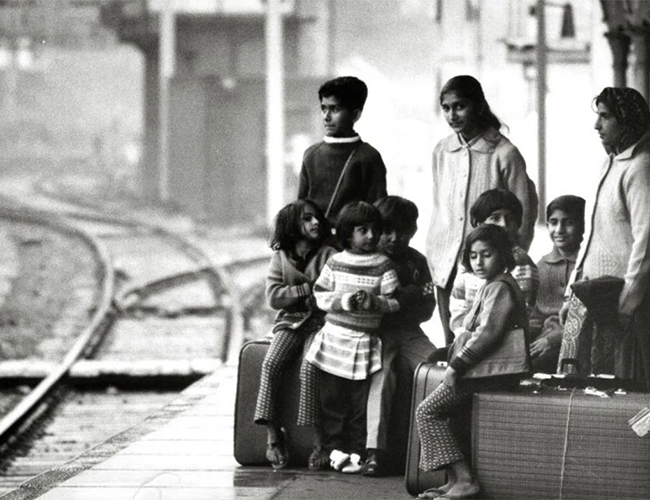
In August 1972, Ugandan dictator Idi Amin ordered the expulsion of the country’s Asian population, giving them 90 days to leave. Around 28,000 British passport holders were airlifted to the UK, triggering one of the largest refugee resettlements in post-war Britain. Birmingham, and the wider West Midlands, played a central role.
The UK’s first resettlement camp for Ugandan Asians was set up in the region, offering emergency shelter, food, and medical care. The Midland office of the National Council of Social Service (NCSS), with key figures like Chris Tyrell, helped coordinate support. Local charities, volunteers, and faith groups stepped in to assist families arriving with few possessions.
Though many faced racism, housing shortages, and job barriers, they drew on strong traditions of resilience and community support. Over time, Ugandan Asians built successful businesses, professional networks, and cultural institutions, enriching Birmingham’s economy and diversity.
Their arrival marked a turning point, challenging Britain’s response to refugees but more importantly, reshaping Birmingham into a dynamic, multicultural city.
Watch here
1972: The Battle of Saltley Gate
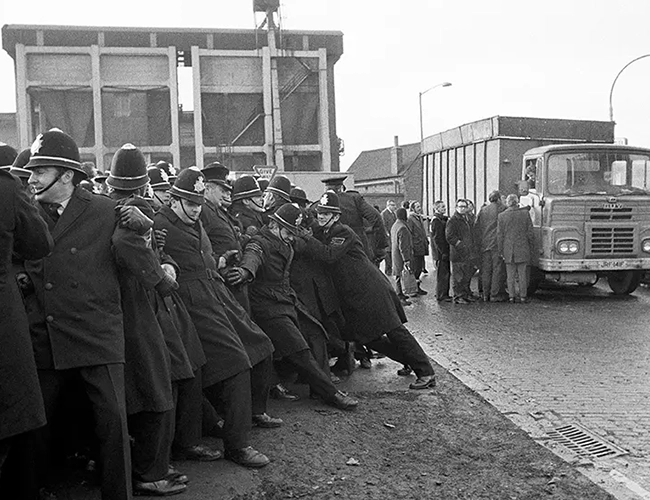
In February 1972, Birmingham became the scene of one of the most pivotal moments in British labour history. During the national miners’ strike, over 15,000 Birmingham workers joined a mass picket at Saltley Gate coking depot. Despite a heavy police presence, their action forced the depot to close, securing a major victory for the miners and demonstrating the power of mass solidarity.
Crucially, Black and Asian workers—often sidelined in trade unions—played a visible role, especially from local factories and foundries. Their presence affirmed that the fight for workers’ rights was inseparable from the struggle against racism. Saltley became a symbol of multiracial unity amid growing far-right activity.
The action sparked new organisations like the Saltley Action Group and SCARF (Saltley Community Against Racism and Fascism), linking workplace struggles to anti-racist campaigns. Its legacy lived on through events like the Banner Arts Project, which honoured Saltley’s message of unity across race, gender, and class. The Battle of Saltley Gate remains a defining chapter in Birmingham’s labour and civil rights history.
1974: The Birmingham Six and the Beginnings of a Long Campaign for Justice
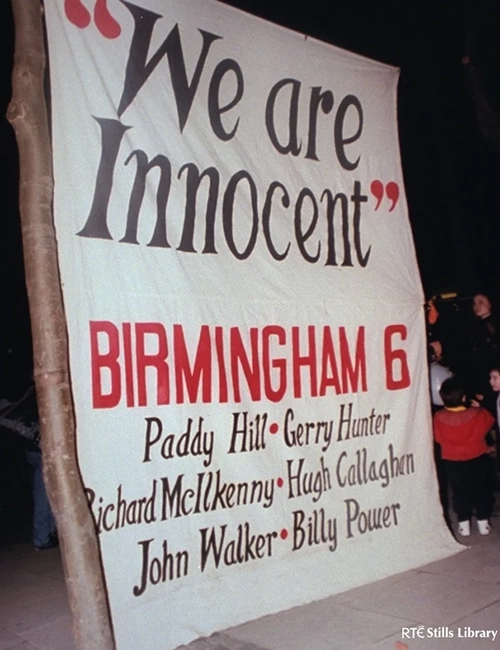
In November 1974, two IRA bombs exploded in Birmingham city centre pubs, killing 21 people and injuring over 180. Under intense pressure to find those responsible, police arrested six Irish men—Hugh Callaghan, Patrick Hill, Gerard Hunter, Richard McIlkenny, William Power, and John Walker—while they were travelling to a funeral in Belfast.
Known as the Birmingham Six, they were subjected to violent interrogations by West Midlands Police. Coerced confessions and flawed forensic evidence led to life sentences in 1975, marking one of Britain’s worst miscarriages of justice.
Amid grief and rising anti-Irish sentiment, early campaigns were ignored. Families faced harassment, while the men endured years of prison isolation. By the 1980s, journalists, lawyers, and campaigners uncovered major flaws, arguing the case reflected broader abuses under anti-terror laws.
After 16 years, the convictions were overturned in 1991. The case remains a stark warning of how racism, political pressure, and state power can destroy lives—and a testament to the power of determined, grassroots justice campaigns.
Watch here
Readmore here
1974: Founding of All Faiths for One Race (AFFOR), Handsworth
Founded in 1974 in Handsworth, one of Birmingham’s most diverse neighbourhoods, All Faiths for One Race (AFFOR) became a pioneering force in the city’s anti-racist and interfaith organising. Based at Finch Road and Lozells Road, AFFOR initially had white leadership but quickly rooted itself in the concerns of local Black and Asian communities.
Bringing together Christians, Muslims, Sikhs, Hindus, and others, AFFOR stood united against rising far-right threats like the National Front. Under Claire Short’s leadership in the late 1970s, it gained national recognition as a hub of anti-racist action. Its widely distributed pamphlet So What Are You Gonna Do About the National Front? equipped communities to resist fascism on the ground.
In the 1980s, AFFOR expanded into education, running groundbreaking anti-racist programmes in schools to challenge bias and foster multicultural understanding.
AFFOR’s legacy lies in its powerful blend of grassroots resistance, interfaith solidarity, and institutional change—marking a landmark in Birmingham’s fight for justice across race, faith, and class.
1977: African Liberation Day in Handsworth Park
In 1977, Handsworth Park hosted what became the UK’s largest African Liberation Day gathering, organised by the African Caribbean Self Help Organisation (ACSHO). Timed to coincide with the Queen’s Silver Jubilee, it offered a powerful counter-narrative to imperial celebration. Instead of honouring empire, thousands gathered to show solidarity with global struggles against colonialism and apartheid.
Activist Claudius Adisa estimated 30,000 attendees. The day blended music, cultural performance, political speeches, and grassroots education. Campaigns against South African apartheid, Portuguese colonialism, and British racism were central themes. It brought together activists, artists, and community members in a vibrant, politicised festival.
Photographer Vanley Burke captured the spirit of the day, with posters and materials now housed in the Black Cultural Archives. The event placed Birmingham at the heart of Pan-African organising in Britain.
More than a celebration, African Liberation Day 1977 was a bold declaration of Black pride, unity, and international resistance—leaving a lasting legacy in Birmingham’s cultural and political landscape
1977: Formation of the Chinese Community Centre
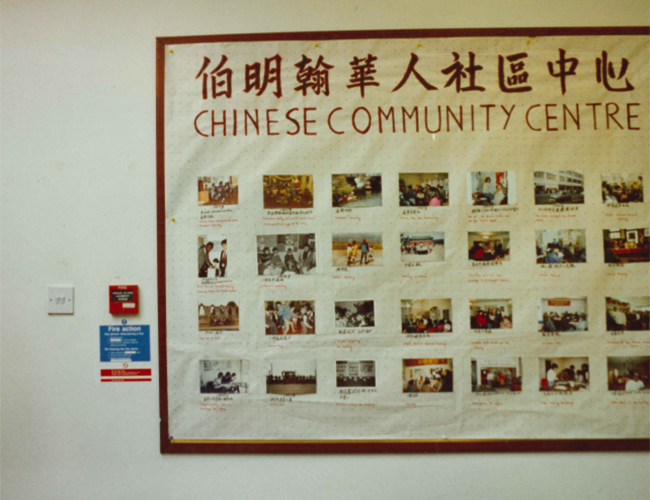
In 1977, the founding of Birmingham’s Chinese Community Centre marked a milestone in migrant self-organisation. Initially based at the Sparkbrook Advice Centre, it was created to support the city’s Chinese population, many of whom faced language barriers and racial harassment.
Early services included translation, housing and employment advice, and support for victims of racism—offering a vital bridge between the community and local institutions. By the 1980s, the Centre expanded into cultural and educational work, running weekend Chinese language schools and organising Birmingham’s first Chinese New Year celebrations, helping to embed Chinese culture in the city’s public life.
In later decades, the Centre developed elderly care services, lunch clubs, health programmes, and advocacy initiatives—ensuring access to NHS support and representation in public policy discussions.
More than a response to immediate needs, the Centre became a cornerstone of social, cultural, and political life. It stands as a powerful example of how grassroots organising can empower communities and enrich the wider city through inclusion and cultural exchange.
1978 Steel Pulse release Handsworth Revolution
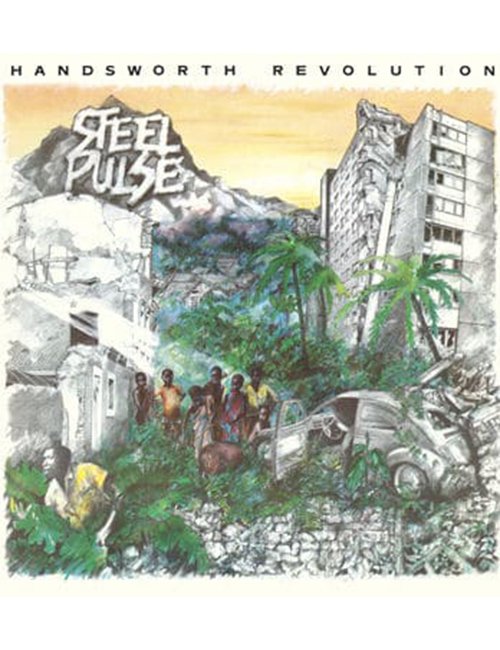
In February 1978, Birmingham-based reggae band Steel Pulse released their landmark debut album Handsworth Revolution, named after the inner-city area where they formed. The album was a bold statement of political resistance and cultural pride, blending roots reggae with powerful commentary on racism, police brutality, and the realities of Black British life in post-colonial Britain.
Handsworth Revolution marked a turning point in British music—it was the first album by a British reggae band released on a major label (Island Records), propelling Steel Pulse to international recognition. Tracks like “Ku Klux Klan” and “Prodigal Son” gave voice to a generation confronting systemic injustice, while connecting their struggles to global movements for liberation.
The album resonated far beyond the reggae scene, becoming a cultural milestone that fused music with activism. Handsworth Revolution remains a defining work of 1970s Britain, symbolising the role of music as both a form of resistance and a rallying cry for justice, identity, and unity.
Watch
1979: Rock Against Racism/Anti-Nazi League Tour Visits Birmingham
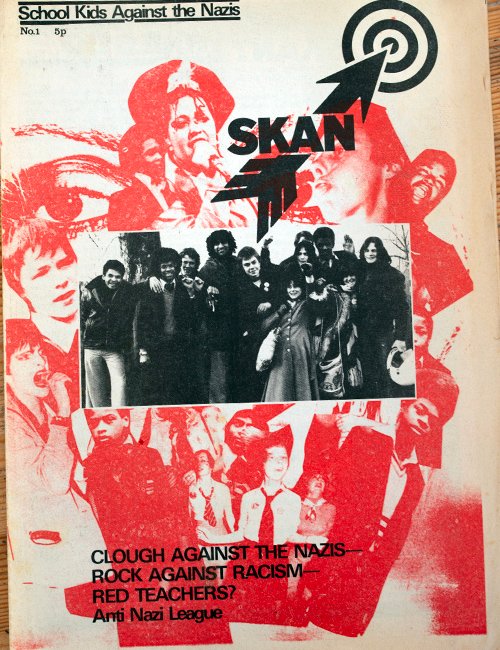
The Rock Against Racism (RAR) movement began in 1976 after Eric Clapton, during a Birmingham concert, launched into a drunken rant praising Enoch Powell and telling the crowd to “keep Britain white.” His remarks shocked fans and exposed how mainstream culture could perpetuate racism. In response, activists and musicians formed RAR to reclaim music as a force for unity and resistance.
By 1979, ahead of the general election, RAR launched the Militant Entertainment Tour—a 2,000-mile circuit blending punk, reggae, and anti-racist politics. When the tour reached Birmingham, it struck a chord in a city already pulsing with cultural resistance, from Steel Pulse’s Handsworth Revolution to politicised punk scenes.
RAR worked closely with the Anti-Nazi League, confronting the National Front across Britain. Local offshoots like Kids Against Racism and Gays Against Racism emerged, linking struggles against racism, homophobia, and fascism.
In Birmingham, RAR gigs became rallies for change—where music fuelled solidarity. The 1979 tour stop remains a landmark in the city’s anti-racist history, showing how art and activism can defeat hate.
Watch
1979: Bert Carless Elected as Birmingham’s First Black Councillor
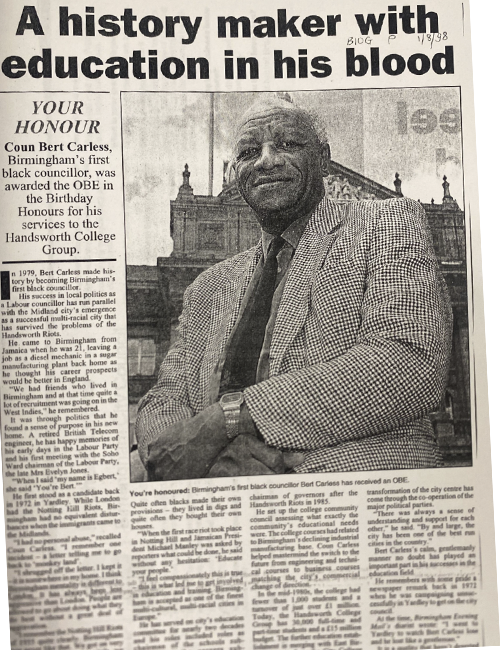
In 1979, Bert Carless made history as Birmingham’s first Black councillor, elected to represent Aston Ward. His victory was a landmark moment, reflecting the growing determination of African-Caribbean communities to gain political representation after decades of exclusion.
Carless’s election came amid rising racial tensions, unemployment, housing inequality, and far-right activity. He stood as a symbol of change, advocating for affordable housing, equal employment opportunities, and better representation for Black and Asian residents.
His breakthrough signalled a broader shift in Birmingham’s political landscape. In the following years, other Black and Asian councillors—including John Platt-Mills, Shaukat Ali Khan, Syed Ala-Ud-Din, and Mohammed Afzal—began winning office. Afzal would later become Birmingham’s first Muslim Lord Mayor in 2015.
Carless’s election was more than personal success—it marked a turning point in the city’s democratic culture. It laid the groundwork for a more inclusive council, ensuring that Birmingham’s diverse communities had a voice in governance and inspiring future generations of political leaders.
We use cookies to improve your experience on our site. By using our site, you consent to cookies.
Manage your cookie preferences below:
Essential cookies enable basic functions and are necessary for the proper function of the website.
These cookies are needed for adding comments on this website.
You can find more information about our Cookie Policy and Privacy Policy.