1940s

History of Racism

Timeline Decade: 1940s

From Indian workers to Caribbean pioneers, wartime Birmingham exposed tensions of identity, race and belonging in modern Britain, highlighting both solidarity and hostility towards its migrant communities.

1940s

As Britain fought fascism overseas, another battle was being waged in the streets of Birmingham. Here, in the heart of industrial Britain, Black and Asian communities were beginning to organise against the racism embedded in the empire they had fought to defend.

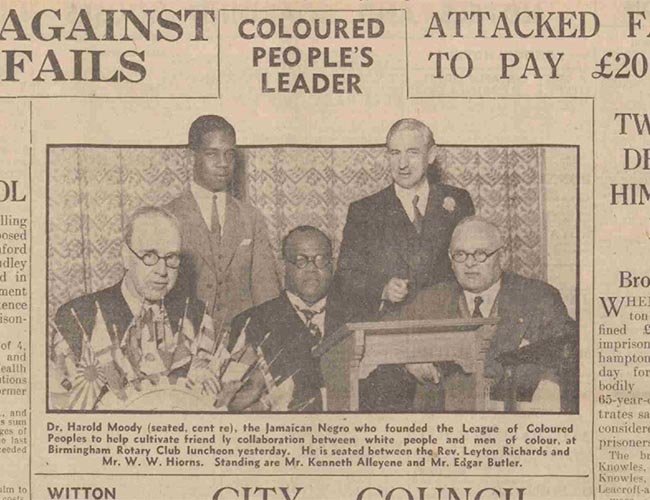
During World War II, Birmingham became home to a growing number of Black and Asian servicemen, seamen, and civilian workers. Their contributions were vital to the war effort, but their presence was met with suspicion and hostility. In 1940, the city formed a branch of the League of Coloured Peoples, one of Britain’s first Black-led civil rights organisations. It offered a clear message: these communities would not simply endure discrimination, they would resist it.

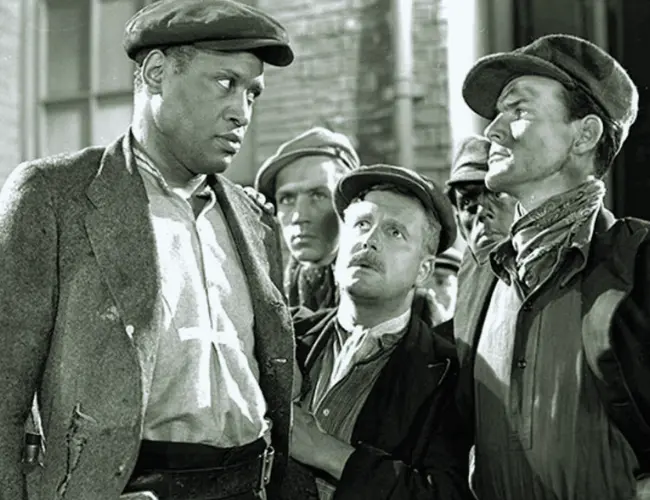
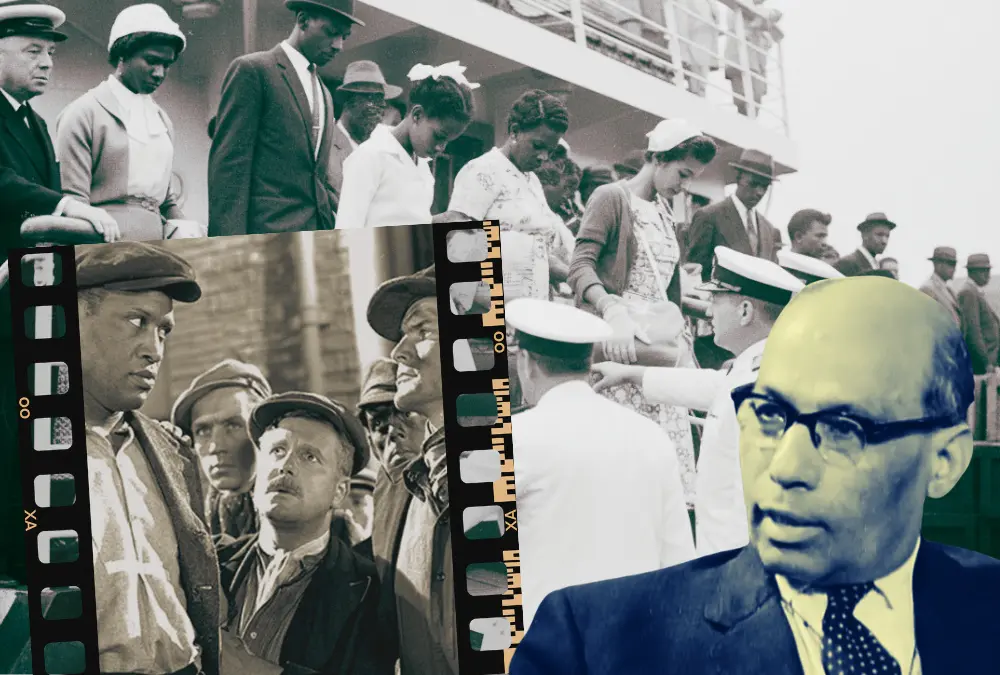
That same year, Birmingham cinemas screened The Proud Valley, starring African American actor Paul Robeson. His portrayal of a Black miner welcomed into a Welsh community offered a rare depiction of interracial solidarity and captured the hopes of many confronting racism at home.

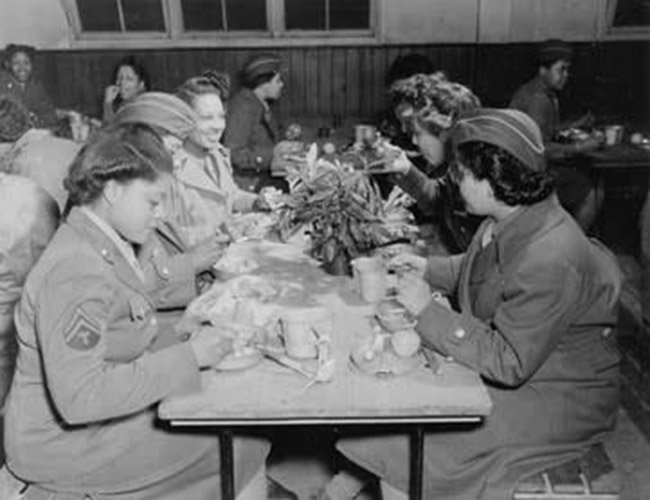
Postwar Britain needed rebuilding. Cities like Birmingham turned to the colonies for labour. Yet even as Britain recruited from the Caribbean, India, and Africa, its civil society  remained steeped in white supremacy. In 1945, two Black American servicewomen were denied entry to Kent Street Baths. Though a court ruled the exclusion unlawful, the case exposed Britain’s unspoken segregation.

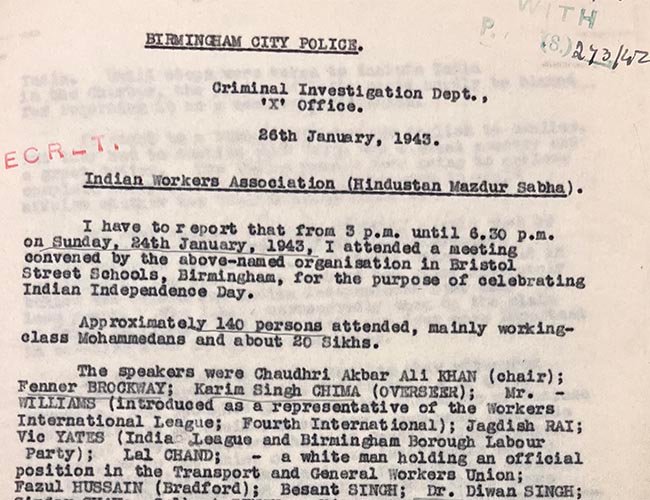
Mistrust ran deeper when colonial subjects became political. In 1946, police surveilled an Indian Independence Day meeting in Birmingham, anxious about anti-colonial organising. Labour was welcome; liberation politics was not.

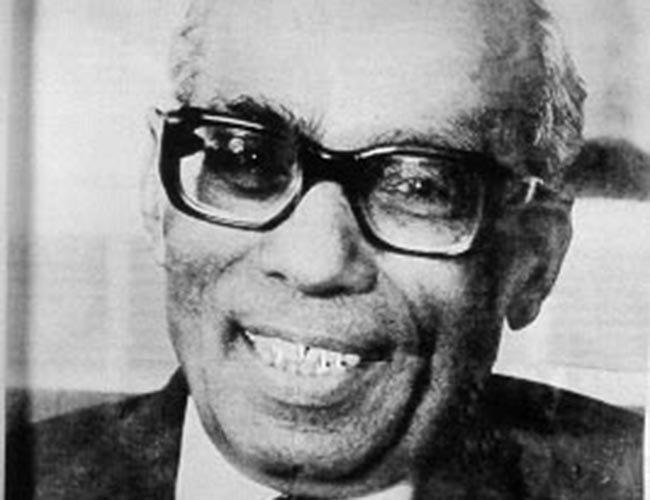
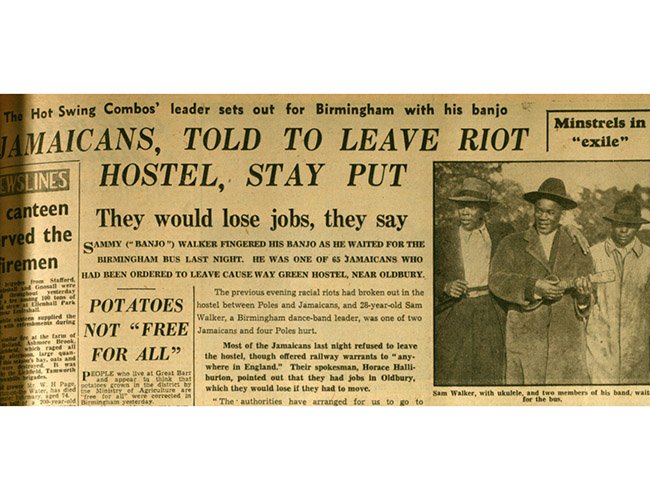
Some broke through. In 1946, Dr. Dhani Prem, a physician and former Gandhian activist, became Birmingham’s first Asian councillor. His advocacy bridged health care, race, and justice. Others faced violence. In 1948, a mob attacked Indian residents in Great Lister Gate. A year later, clashes between Caribbean and Polish workers erupted at the Causeway Green hostel. Both incidents revealed postwar Britain’s simmering racial tensions. Still, new alliances emerged. In 1949, Pan-Africanist Amy Ashwood Garvey settled in Handsworth, lending global experience to Birmingham’s local fights.

In the 1940s, Birmingham’s streets bore witness to the contradictions of empire—and the early seeds of a movement that would reshape the city, and Britain, for decades to come.

1940: League of Coloured Peoples operates in Birmingham

In the 1940s, Birmingham witnessed the formation of a local branch of the League of Coloured Peoples, an early, Black-led organisation challenging racial discrimination. It emerged in response to the hostility faced by Black servicemen and civilian workers during the Second World War.

As Gus John noted, the League showed how Black communities resisted racism rather than endured it, asserting dignity and demanding equality. It laid crucial groundwork for post-war anti-racist struggles in Britain.

1940: 'The Proud Valley' screens in Birmingham – Paul Robeson and the Power of Black Solidarity

The Proud Valley film

In 1940, Birmingham cinemas screened The Proud Valley, a groundbreaking film starring Paul Robeson. Set in the Welsh coalfields, it told the story of a Black seaman embraced by a mining community, powerfully linking race, labour, and solidarity. Robeson’s heroic role challenged stereotypes, and the line “Aren’t we all black down that pit?” expressed shared struggle.

For Black audiences, he symbolised global resistance. His anti-racist, anti-imperialist stance made the film a cultural intervention of pride and hope.

Clip from The Proud Valley

1945: Court Dismisses Colour Bar at Kent Street Public Baths

In 1945, a legal case at Birmingham’s Kent Street Baths marked a key moment in Britain’s fight against segregation. Two Black American servicewomen were denied entry under an unofficial “colour bar,” exposing everyday racism. Public outrage followed, and the judge ruled the exclusion unlawful, stating they should have been welcomed as Allied personnel. Though no legislation changed, the ruling challenged segregation, revealed deep hypocrisy, and offered an early glimpse of legal resistance to racial discrimination in post-war Britain.

1945-46: Dr Dhani Prem – Birmingham’s First Asian Councillor and Advocate for Mental Health

In the mid-1940s, Dr Dhani Prem emerged as a pioneering figure in Birmingham’s civic life. Born in India and shaped by Gandhian activism, he brought a deep commitment to justice to Britain. As a doctor, he focused on working-class mental health, challenging stigma and linking poverty to psychological wellbeing. In 1946, Prem became Birmingham’s first Asian councillor, advocating racial equality and defending overseas-trained doctors.

His legacy blends political activism, medical advocacy, and a vision for inclusive local leadership.

1942-1946: Police Surveillance of Indian Workers in Birmingham

In 1946, Birmingham became a site of Indian workers’ political mobilisation and state surveillance. Undercover police monitored an Indian Independence Day meeting at Bristol Street School, attended by 140 people and speakers including Fenner Brockway MP and Karim Singh Chima. The event, targeted for its anti-colonial stance, reflected vibrant South Asian political organising. Surveillance revealed state anxiety as empire weakened. Migrant workers were welcomed economically but mistrusted politically—a key moment in Birmingham’s history of race and dissent.

1948: Arrival of the Empire Windrush – A Symbolic Beginning

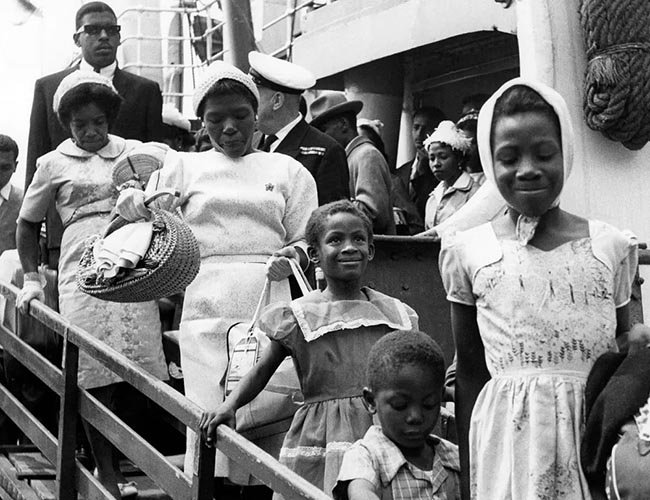
On 24 May 1948, the Empire Windrush left Jamaica carrying 492 passengers, arriving at Tilbury Docks on 21 June. Widely covered in the press, its arrival symbolised post-colonial Caribbean migration, though Caribbean communities had existed in Britain since the 19th century. The moment exposed Britain’s imperial contradictions—welcoming labour while practising discrimination. The  Windrush Generation profoundly shaped British culture, politics, and society, marking a turning point in the nation’s evolving relationship with its former colonies.

1948: The Cosmopolitan Club – A Safe Space for Interracial Couples in Birmingham

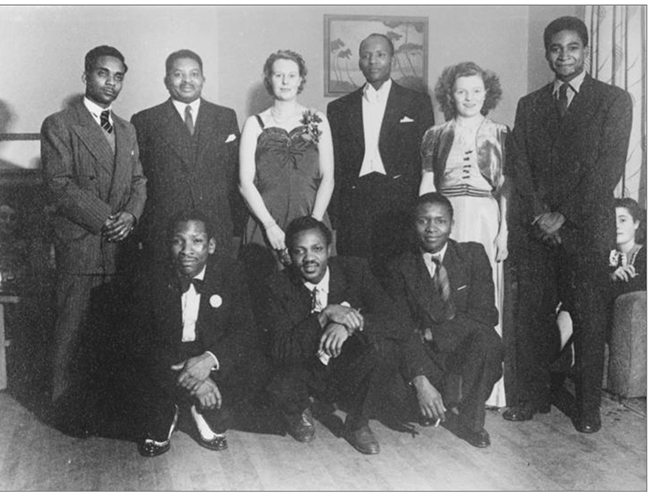
In 1948, Reverend Reginald Stallard founded the Cosmopolitan Club in Birmingham, offering interracial couples a rare safe space behind Trinity Methodist Church. At a time of growing Caribbean and South Asian migration, such couples faced prejudice in public spaces. The club quietly challenged racism through hospitality and inclusion, reflecting Stallard’s social justice values.

Though modest, it pioneered interracial community building and stands as an early example of grassroots resistance to post-war racism in Birmingham.

1948: Race Riot in Birmingham – “Get Them Out”

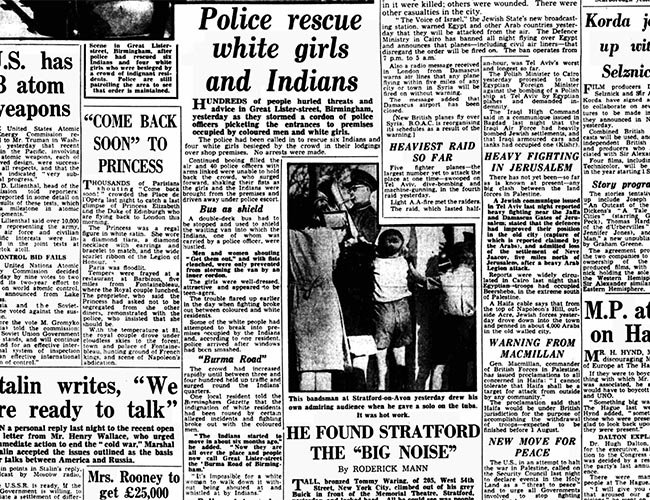
In 1948, months after the Empire Windrush arrived, Birmingham saw one of its earliest racial disturbances. A crowd of 400 attacked a Great Lister Gate lodging house where Indian residents lived, hurling abuse and objects. Police faced violence as they evacuated those inside. The riot reflected rising post-war racial tensions over housing and jobs.

Though overshadowed by later unrest, it exposed Britain’s fragile optimism and marked an early flashpoint in Birmingham’s struggle over race and belonging.

1949: Race Riot at Causeway Green Hostel, Oldbury

On 8 August 1949, violent clashes erupted at the Causeway Green migrant hostel in Oldbury, housing Caribbean and Polish workers. Tensions escalated into widespread fighting, injuring 18 people, including a policeman. When management tried to evict the Jamaicans, they “stayed put,” defying discrimination. Jamaican activist Horace Halliburton’s I Protest Against the ‘Colour Bar’ challenged racist narratives, framing the riot as systemic inequality.

The incident exposed post-war Britain’s racial tensions and early Caribbean resistance to injustice.

1949: Amy Ashwood Garvey Settles in Handsworth

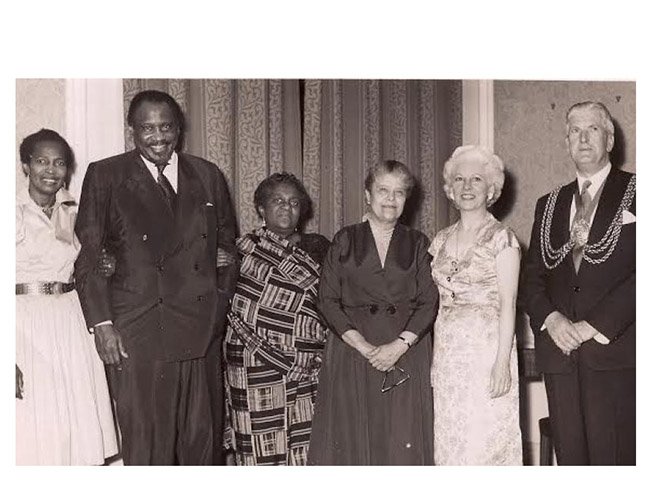
In 1949, Pan-African activist and feminist Amy Ashwood Garvey settled in Handsworth, Birmingham. A co-founder of the UNIA and organiser of the 1945 Fifth Pan-African Congress, she brought global anti-colonial experience to local struggles.

In Birmingham, she campaigned against the “colour bar,” challenging housing and employment discrimination, exposing exploitative landlords, and speaking in schools. Working with allies like Reverend Stallard, she built interracial solidarity, helping establish Birmingham as an early centre of Black political and cultural activism.