
The 2000s in Birmingham saw institutional denial of racism and post-9/11 Islamophobia ignite a wave of grassroots and intersectional resistance, notably the Mikey Powell Campaign and Lady Phyll founding UK Black Pride.
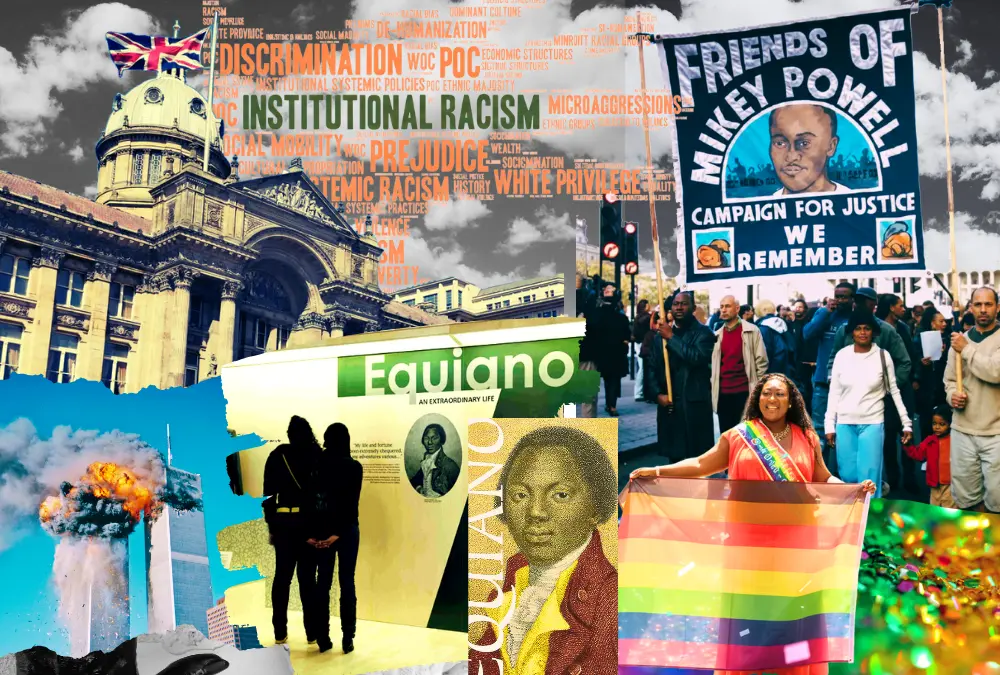
In the years after 9/11, as Britain aligned itself with the U.S.-led war on terror, few places felt the domestic fallout as acutely as Birmingham. With one of the country’s largest Muslim populations, the city became an early focus of counter-extremism efforts — and an uneasy laboratory for a new kind of civic surveillance.
The government’s Prevent strategy, introduced in the early 2000s, embedded anti-radicalisation policies into schools, mosques, and youth services. In theory, it aimed to safeguard communities. In practice, many Birmingham residents, particularly young Muslims, felt targeted. Teachers were trained to flag signs of extremism; pupils reported feeling watched for their beliefs. “It wasn’t about safety,” said one former student. “It was about suspicion.”
This atmosphere was not created in a vacuum. In 2001, the Birmingham Lawrence Commission had already exposed systemic racial inequalities in local institutions. But efforts to address them stalled. Then came the war on terror , and inclusion gave way to securitisation.
The city’s Muslim neighborhoods, such as Sparkbrook and Alum Rock, bore the brunt. Islamophobic incidents spiked. Community groups struggled to maintain trust amid rising police presence and media portrayals of Birmingham as a breeding ground for extremism. The 2014 “Trojan Horse” affair, an anonymous letter alleging a plot by Muslim educators to radicalise schools, amplified national paranoia. Though investigations found no such plot, the damage was lasting. Several schools were placed under special measures, and Muslim educators were driven from their posts.
Elsewhere, parallel struggles unfolded. In 2003, the death of Mikey Powell, a Black man who died in police custody in Lozells, ignited outrage. His family’s campaign for justice spotlighted long-standing grievances about policing and accountability in Birmingham’s Black communities.
Yet amid scrutiny, new movements took root. Birmingham-born activist Phyllis Opoku-Gyimah founded UK Black Pride in 2005, offering a platform for queer people of color often marginalised in both LGBTQ+ and ethnic spaces. Cultural institutions, too, responded: Birmingham Museums’ 2006 exhibition on abolitionist Olaudah Equiano re-centered Black history in public discourse.
In Birmingham, the war on terror was not just foreign policy. It reshaped classrooms, trust in institutions, and the texture of daily life. And through protest, organising, and cultural resistance, the city’s communities fought to reclaim their place, not as suspects, but as citizens.

2001: Birmingham City Council Considers Challenges to Institutional Racism
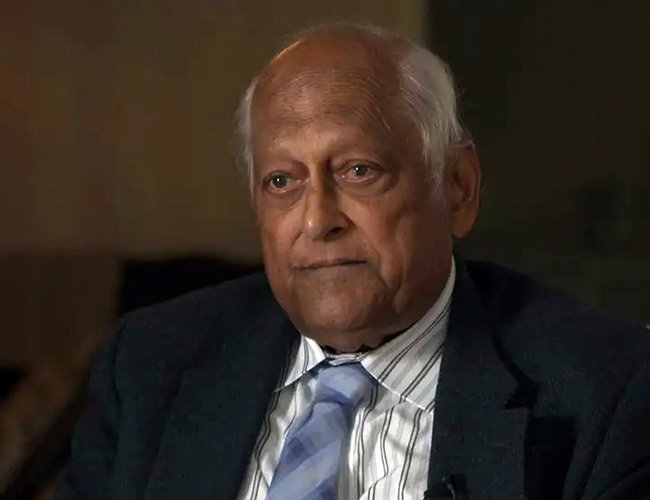
In March 2001, Birmingham City Council launched the Birmingham Lawrence Commission, chaired by Judge Ray Singh, in response to the Macpherson Report (1999), which exposed institutional racism following the murder of Stephen Lawrence. The Commission examined racism across Birmingham’s public services and issued a report, Challenges for the Future, highlighting systemic inequalities.
It found stark underrepresentation of ethnic minorities in senior roles and identified structural barriers to progression. The report called for urgent action to dismantle “systemic racism” embedded in workplace cultures and everyday practices.
Despite the findings, the Council denied institutional racism applied to itself—prompting widespread criticism. A 2002 follow-up reported limited progress and poor implementation of key recommendations.
It urged better support for the Black voluntary sector, stronger anti-harassment policies, and genuine community engagement.
The Birmingham Lawrence Commission remains a landmark effort to confront racism in public institutions. Though partially implemented, it revealed deep-rooted inequities and the ongoing challenge of translating inquiry into lasting systemic change.
2001: 9/11 Impacts Birmingham
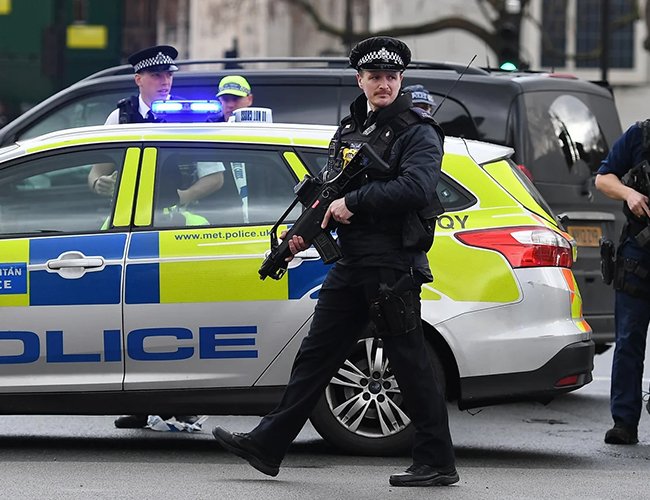
The 9/11 attacks in the United States had a profound impact on Birmingham, home to one of the UK’s largest Muslim populations. Almost immediately, Muslim communities faced a sharp rise in Islamophobia, ranging from abuse and discrimination to mosque vandalism and physical assaults, reflecting broader national and global patterns of suspicion and scapegoating.
Birmingham became an early site for the UK government’s Prevent Strategy, aimed at tackling extremism. While framed as a security measure, Prevent was widely criticised for disproportionately targeting Muslims and fostering a climate of surveillance in schools, mosques, and community spaces. Critics argued it undermined trust and framed integration as a policing issue, not one of equality.
Yet 9/11 also galvanised local efforts to promote unity. Faith leaders, community groups, and interfaith networks worked to defuse tensions and defend Birmingham’s multicultural ethos.
The impact of 9/11 on Birmingham was twofold: it intensified state scrutiny and public hostility, but also sparked renewed commitments to solidarity, civic inclusion, and anti-racist organising.
2003: African Caribbean and Asian Education Action Plans

On 19 December 2003, Birmingham’s Education Service released two landmark reports
These were among the first formal acknowledgements by the local authority of deep-rooted educational inequalities affecting minority ethnic pupils.
The reports identified key structural barriers: low teacher expectations, curriculum bias, exclusionary discipline, and poor engagement with parents. African Caribbean boys, in particular, faced disproportionate exclusion rates and a lack of culturally affirming teaching.
In response, the action plans proposed targeted interventions: supplementary education, anti-racist training for teachers, stronger community partnerships, and mentoring initiatives. Crucially, they placed responsibility on the Local Education Authority, shifting focus from blaming pupils to addressing systemic failings.
Though implementation was uneven, these plans marked a pivotal shift in race-conscious educational policy. They laid important groundwork for ongoing debates about how schools and authorities can meaningfully confront racial disparities and promote equity in education.
2003: Friends of Mikey Powell Campaign Launched
In September 2003, Mikey Powell, a 38-year-old father of three, died of asphyxiation while in West Midlands Police custody near his family home in Lozells. He was struck with batons, sprayed with CS gas, and transported in a police van instead of an ambulance. His death sparked widespread outrage, symbolising the deep mistrust between Birmingham’s Black communities and the police, and highlighting systemic failures in custody practices.
In response, Mikey’s family, led by his cousin, poet Benjamin Zephaniah, and nephew Tippa Naphtali, launched the Friends of Mikey Powell Campaign for Justice. Aimed at securing accountability and supporting other affected families, it became one of the UK’s most prominent grassroots movements against state violence.
Linked with the United Families and Friends Campaign (UFFC), it organised vigils, protests, and legal actions, ensuring Mikey’s case remained in the public eye.
Though no officer was convicted, the campaign exposed deep flaws in policing and justice. It remains
a powerful example of how communities transform grief into enduring resistance
Watch
2005: Birmingham-born Phyllis Opoku-Gyimah Founds UK Black Pride
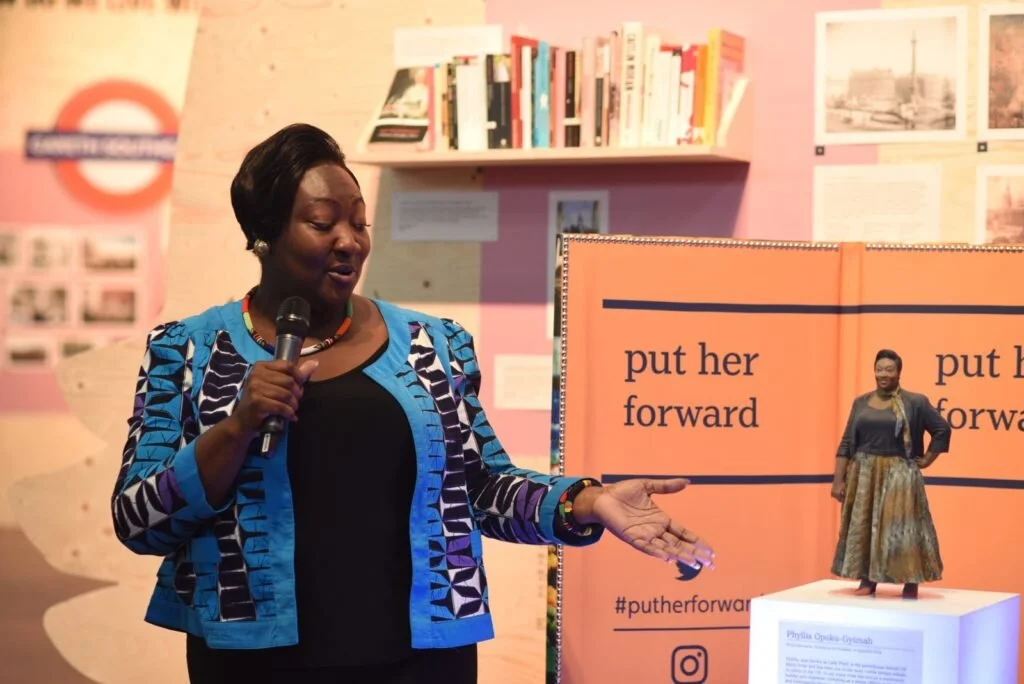
In 2005, Birmingham-born activist Phyllis Opoku-Gyimah—known as Lady Phyll, founded UK Black Pride. What began as a small gathering grew into Europe’s largest celebration of LGBTQIA+ Black and people of colour communities. Rooted in visibility, solidarity, and justice, it created a vital space for those often marginalised within both mainstream Pride and their own cultural communities.
Alongside this, Lady Phyll ran Black Lesbians in the UK, an online network supporting queer Black women facing racism, sexism, and homophobia. UK Black Pride quickly evolved into a political platform, challenging racism in LGBTQIA+ spaces and confronting homophobia within Black and PoC communities.
Her work championed intersectional activism, linking struggles for racial justice, gender equality, and queer liberation. Recognised nationally, she became chief executive of UK Black Pride in 2015 and was named one of the 100 Great Black Britons.
Lady Phyll’s activism continues Birmingham’s legacy of grassroots resistance amplifying its voice on a national and international stage.
Watch here
2006: Olaudah Equiano Exhibition at Birmingham Museums and Art Gallery
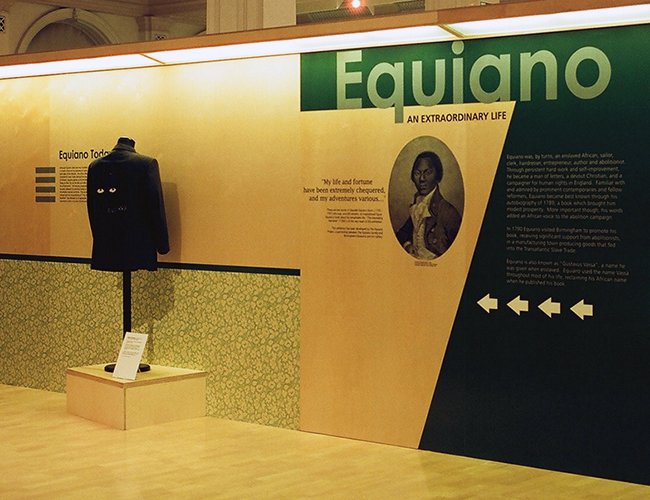
In 2006, Birmingham Museums and Art Gallery hosted the UK’s first major exhibition dedicated to Olaudah Equiano, the African writer, abolitionist, and formerly enslaved man whose 1789 autobiography helped galvanise the anti-slavery movement. Created in partnership with the Equiano Society, the exhibition traced his remarkable life: from his African childhood and enslavement to his freedom, authorship, and political activism.
Part of the Breaking the Chains season marking the bicentenary of the slave trade’s abolition, the exhibition used manuscripts, artefacts, and interactive displays to explore slavery’s realities and the legacy of resistance. A companion booklet and CD of community interviews extended its educational reach beyond the gallery.
Equiano’s life was framed not just as a personal triumph, but as a powerful lens on Britain’s role in slavery and the ongoing fight for racial justice.
This landmark exhibition signalled Birmingham’s commitment to confronting its imperial past and amplifying Black voices in public history, setting a precedent for inclusive cultural education in the UK.
Watch here
We use cookies to improve your experience on our site. By using our site, you consent to cookies.
Manage your cookie preferences below:
Essential cookies enable basic functions and are necessary for the proper function of the website.
These cookies are needed for adding comments on this website.
You can find more information about our Cookie Policy and Privacy Policy.