
In the 1960s, Birmingham became a key battleground for racial equality, as a BBC documentary exposed the pervasive "colour bar" and the community's powerful backlash against Enoch Powell's "Rivers of Blood" speech solidified the city's anti-racist movement.

In the 1960s, Birmingham was a pivotal site for racial issues and the rise of the anti-racism movement in Britain. The decade began with the 1960 BBC documentary The Colony, which offered a rare platform for Black Caribbean men to speak candidly about the racial prejudice they faced. The film exposed the pervasive “colour bar” in housing and employment, challenging the British public to confront uncomfortable truths about racism in their society. This media spotlight was followed by concrete political action, as activists formed the Co-ordinating Committee Against Racial Discrimination (CCARD) in 1961 to protest the discriminatory Commonwealth Immigrants Act.
The struggle against racism was not confined to a single front. Institutional prejudice was starkly evident when Smethwick Council introduced a discriminatory residency rule in 1962, effectively blocking newly arrived Black and Asian families from accessing council housing. This policy, along with Peter Griffiths’ racially charged election victory in 1964, galvanised the resistance. Community groups formed to empower people from within, such as the Afro-Caribbean Self Help Organisation (ACSHO), which established Britain’s first Black Saturday Supplementary School in 1967. The city’s fight also gained an international dimension when Malcolm X visited in 1965, drawing parallels between racism in Smethwick and segregation in the United States.
The decade’s struggles culminated in the widespread outrage following Enoch Powell’s 1968 “Rivers of Blood” speech, which, delivered in Birmingham, sought to legitimise racial hostility. However, the speech backfired, provoking a powerful wave of protest and solidarity. In response, activists from African, Asian, and Caribbean organisations came together to form the Black People’s Alliance (BPA). This unified front demonstrated a new level of political confidence and militancy, cementing Birmingham’s role as a key centre for Britain’s burgeoning civil rights movement.

1960: BBC Airs 'The Colony. A Groundbreaking Film on Racism in Birmingham
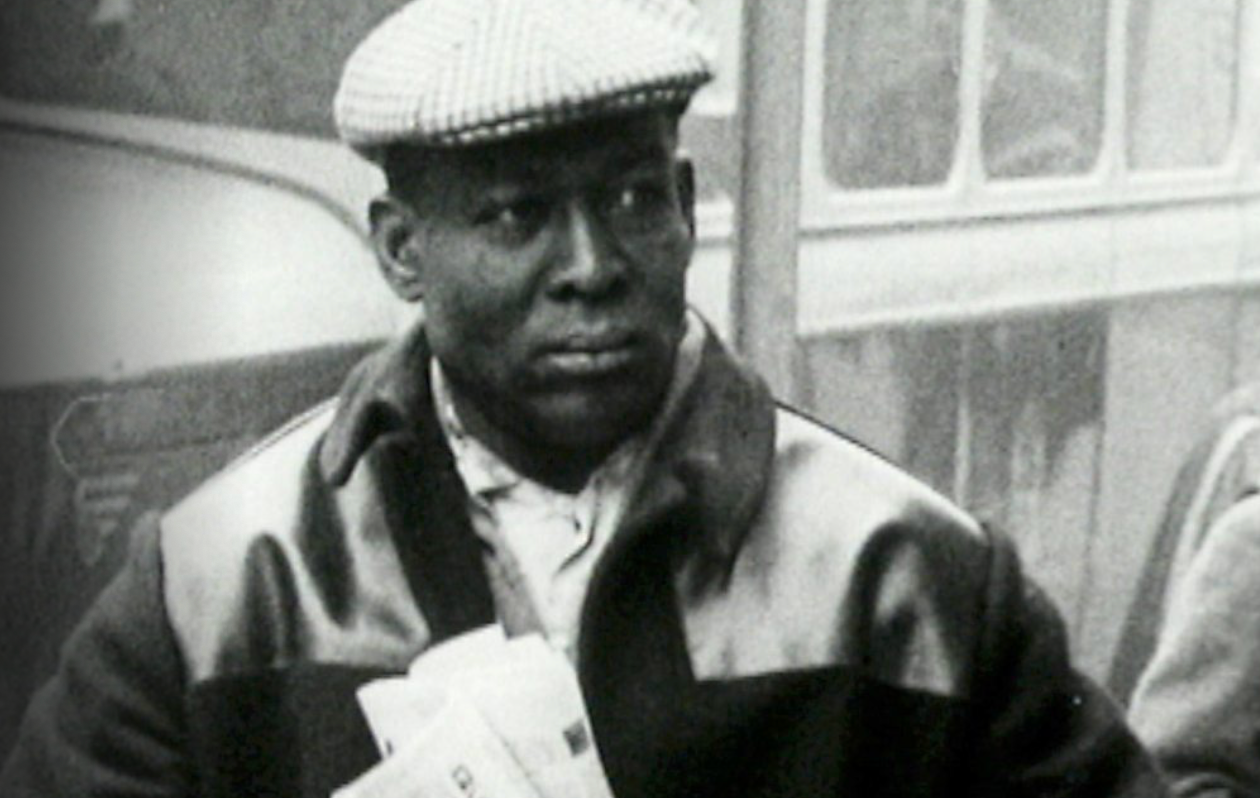
In 1960, the BBC aired The Colony, a groundbreaking documentary that brought the voices of Birmingham’s Black Caribbean community to national attention. Following the lives of four men, the film offered a candid look at their struggles with racism and exclusion in post-war Britain.
They described being denied housing by landlords enforcing a “colour bar,” and being pushed into low-paid, insecure jobs despite their qualifications. Everyday racism in public spaces further exposed the deep prejudice they faced. Yet The Colony was more than a portrait of discrimination—it celebrated resilience, solidarity, and the rich cultural traditions that helped the community endure.
At a time when Black perspectives were rarely shown in mainstream media, the documentary was a powerful challenge to Britain’s self-image. It gave Black Britons a platform to speak directly about identity, belonging, and the right to call Britain home.
The Colony marked a key moment in Birmingham’s history, capturing both the injustices of the time and the strength of a community determined to be seen and heard.
Watch the film here
1961: The Co-ordinating Committee Against Racial Discrimination (CCARD) Established
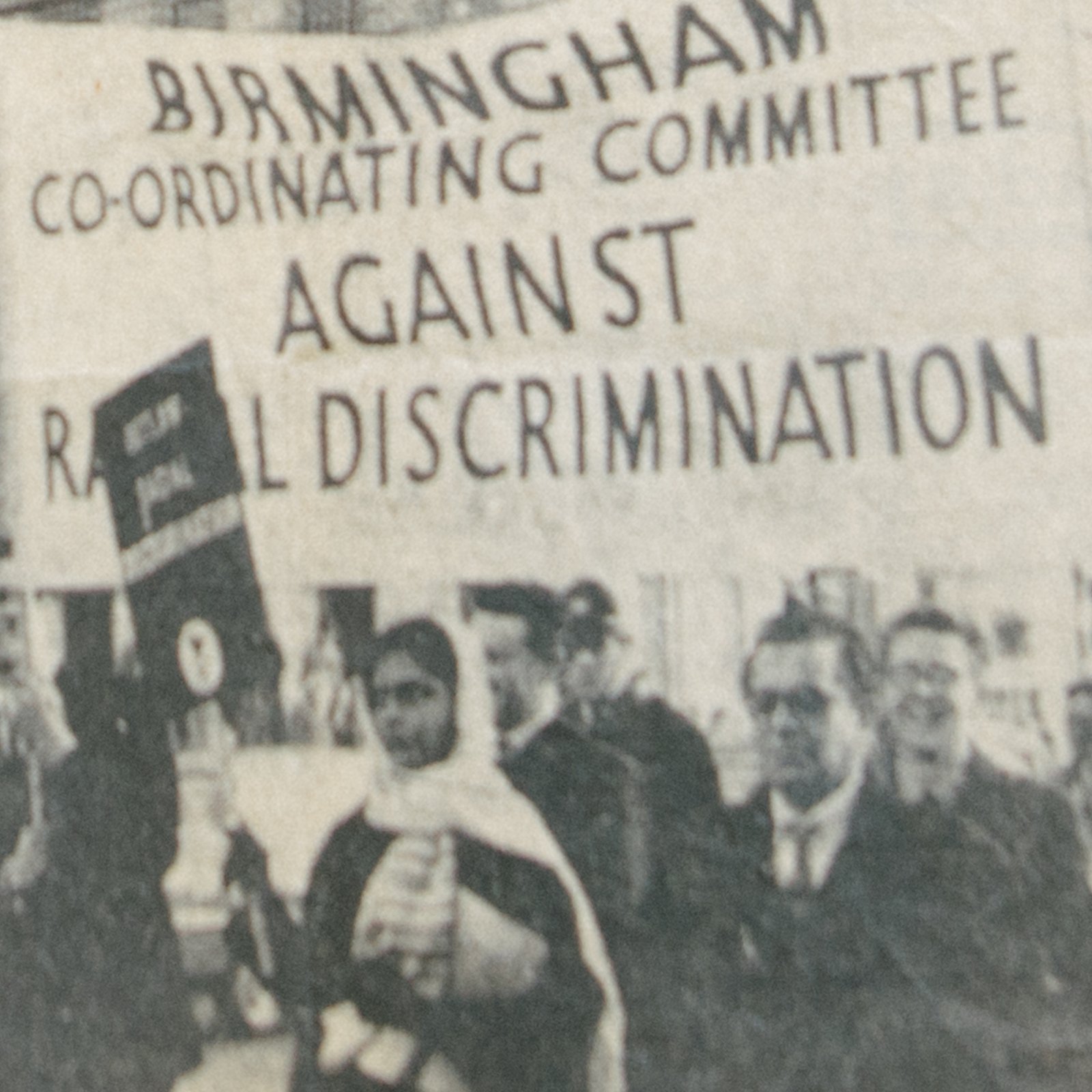
In 1961, as the British government prepared the Commonwealth Immigrants Act—aimed at restricting migration from the Caribbean, South Asia, and Africa—Birmingham became a centre of resistance. In response, activists formed the Co-ordinating Committee Against Racial Discrimination (CCARD), one of Britain’s earliest anti-racist coalitions.
CCARD united trade unionists, community groups, immigrant organisations, and allies. Key figures included Jagmohan Joshi of the Indian Workers’ Association, Shirley Joshi, and Maurice Ludmer, later founder of Searchlight magazine. Caribbean, Pakistani, Irish, and British campaigners joined forces to oppose the Act and the racial inequality it represented.
At its 1961 launch, 23 organisations pledged support. CCARD led pamphlet campaigns, workplace outreach, and public demonstrations, exposing the institutional racism embedded in immigration controls.
Though the 1962 Act passed, CCARD’s impact was lasting. It showcased the political strength of Birmingham’s migrant communities, pioneered grassroots resistance, and laid vital groundwork for future struggles against discrimination, racist violence, and the far right.
1962: Smethwick Council Introduces Discriminatory Housing Rules
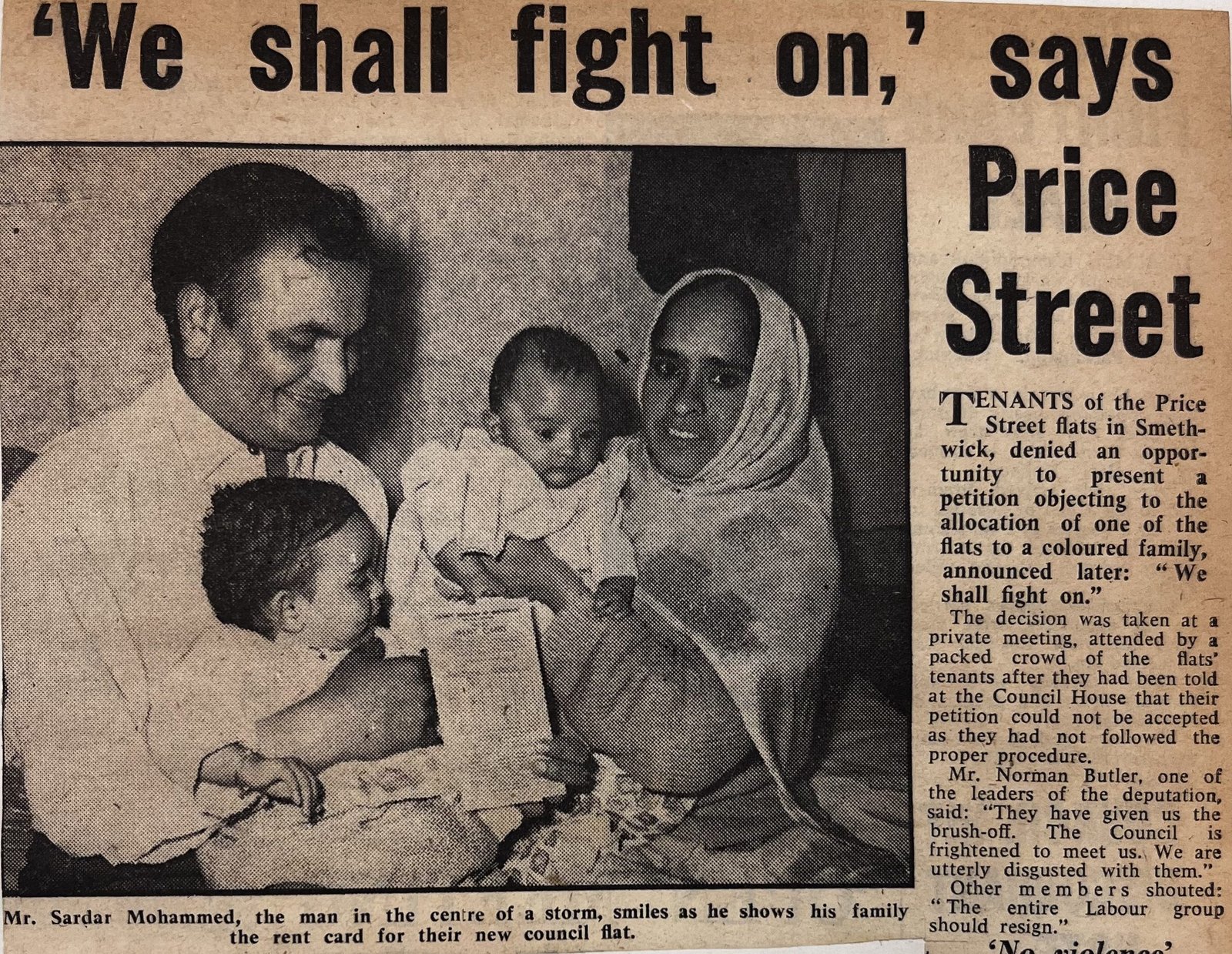
In 1961, Sardar Mohammed and his wife Razina became one of the first Commonwealth migrant families in Smethwick to receive council housing following slum clearance. Their move sparked protests from white tenants opposed to housing being allocated to immigrants. Initially, the council defended its decision—but in 1962, under local pressure, it introduced a “residency requirement,” mandating ten years of local residence for eligibility.
Though framed as neutral policy, the rule disproportionately excluded newly arrived Black and Asian families, many of whom had come to work in local industries. Forced into overcrowded, poor-quality private housing, they faced inflated rents and exploitative landlords.
The policy revealed how local authorities used bureaucratic tools to enforce a colour bar without mentioning race. Smethwick’s actions became infamous, drawing national and international attention during the 1964 general election, when Peter Griffiths’ racially charged campaign intensified scrutiny.
The 1962 residency rule stands as an early example of institutional racism, highlighting the barriers migrant families faced in accessing fair housing and equal treatment.
1964: Anti-Racist Responses to Griffiths’ Smethwick Victory
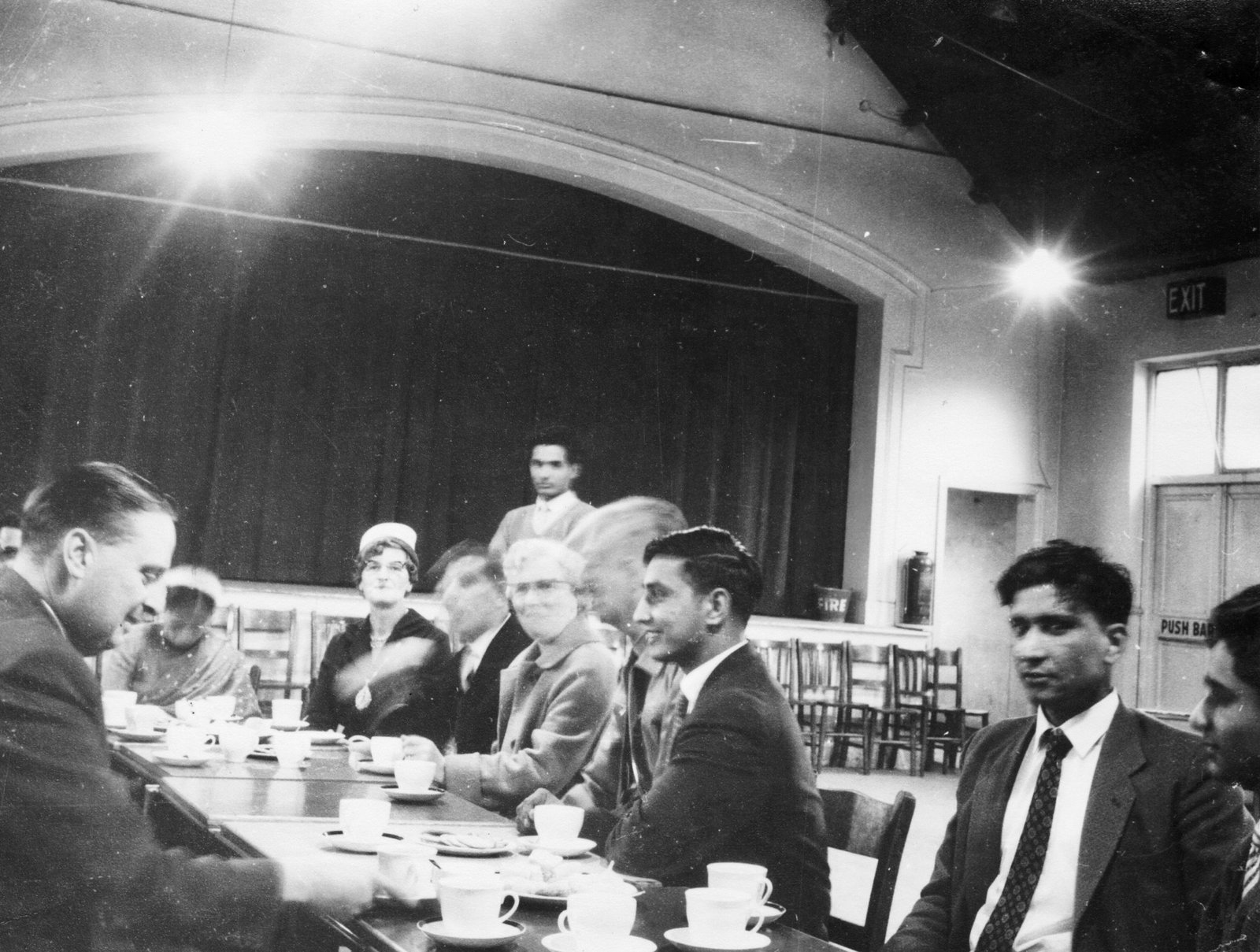
Peter Griffiths’ election win in Smethwick in October 1964, secured through a campaign that stoked racial fears and hostility toward Commonwealth migrants, provoked immediate outrage. Across Britain—and especially in Birmingham and the Black Country—activists, trade unionists, church leaders, and ordinary citizens mobilised to challenge the normalisation of racism in politics.
The Co-ordinating Committee Against Racial Discrimination (CCARD), already active in Birmingham, condemned Griffiths’ tactics as a dangerous attempt to legitimise the colour bar through the ballot box. Public meetings, pamphlets, and petitions were quickly organised to demand political accountability. Demonstrations were held in Birmingham and London, linking Griffiths’ campaign to wider struggles against racism in housing, employment, and public life.
Migrants themselves were at the forefront of this resistance. Members of the Indian Workers Association (IWA), Caribbean activists, and African students in the Midlands all spoke out, insisting that their contributions to Britain’s industries, transport, and healthcare deserved recognition, not scapegoating. Local allies in trade unions and churches supported these efforts, warning that Griffiths’ campaign was sowing division in working-class communities already struggling with housing shortages and industrial change.
Smethwick also became a focus of international attention. Journalists from abroad, including the United States, drew parallels between Griffiths’ victory and racial segregation in the American South. The comparison embarrassed the British government, undermining its claims to moral leadership in the era of decolonisation.
Although Griffiths would lose his seat in 1966, the anti-racist responses to his campaign proved decisive in shaping future activism. They demonstrated that grassroots organisation could challenge racism in politics, and they helped to build networks of solidarity that would underpin the civil rights struggles of the 1960s and 1970s in Birmingham and beyond.
See a new report about the event
1964: The Afro-Caribbean Self Help Organisation (ACSHO) Established
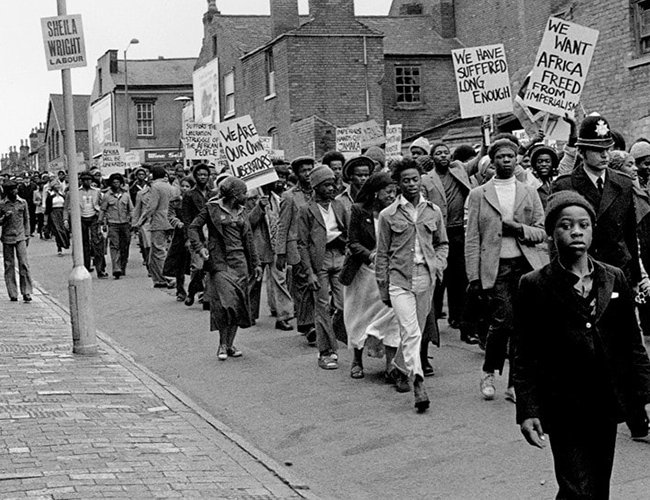
In 1964, Jamaican-born activist Bini Brown—later Bini Butuakwa—founded the Afro-Caribbean Self Help Organisation (ACSHO) at 104 Heathfield Road, Handsworth. Rooted in Pan-Africanist ideals, ACSHO became one of Britain’s longest-running Black Power groups and a key force in Birmingham’s Black political and cultural life.
Formed in response to racism and exclusion, ACSHO promoted self-help, education, and community solidarity. It championed the need for Black-led institutions to challenge systemic injustice and foster cultural pride.
In 1967, ACSHO launched Britain’s first Black Saturday Supplementary School, offering culturally relevant education and support for Black children often marginalised in mainstream schools. This pioneering model soon spread nationwide.
Throughout the 1960s and 1970s, ACSHO expanded its work in education, community organising, and anti-imperialist activism, linking local struggles in Handsworth to global movements for racial justice.
ACSHO’s founding marked a turning point, reflecting Black communities’ resolve to resist racism and build spaces for empowerment. Its legacy endures in grassroots activism and the supplementary school movement.
1964: Claudia Jones and Asian–Caribbean Solidarity in Smethwick
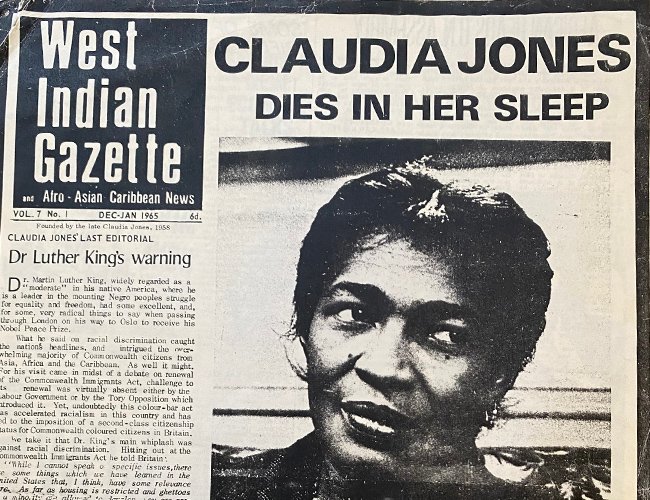
In 1964, Trinidad-born activist Claudia Jones spent two months in Smethwick, joining the frontlines of Britain’s anti-racist struggle. A veteran of civil rights movements in Harlem and London—where she founded the West Indian Gazette and helped create the Caribbean carnival—Jones brought a feminist, internationalist approach to the Midlands.
She arrived during a racially charged election, as Conservative candidate Peter Griffiths ran on overtly racist themes. Working with the Indian Workers’ Association (IWA) and organiser Avtar Jouhl, Jones campaigned door-to-door with Asian and Caribbean women to challenge racism and promote unity.
Jones also supported the formation of a short-lived West Indian Workers’ Association in Smethwick, recognising the need for Caribbean workers to organise collectively. Crucially, her work fostered Asian–Caribbean solidarity—an essential part of her politics.
She believed true liberation required unity across migrant communities. Her time in Smethwick highlighted both racial injustice and the power of coalition-building, helping to lay foundations for Birmingham’s broader anti-racist movements in the decades ahead.
1965: BBC Films Malcolm X’s Visit to Smethwick
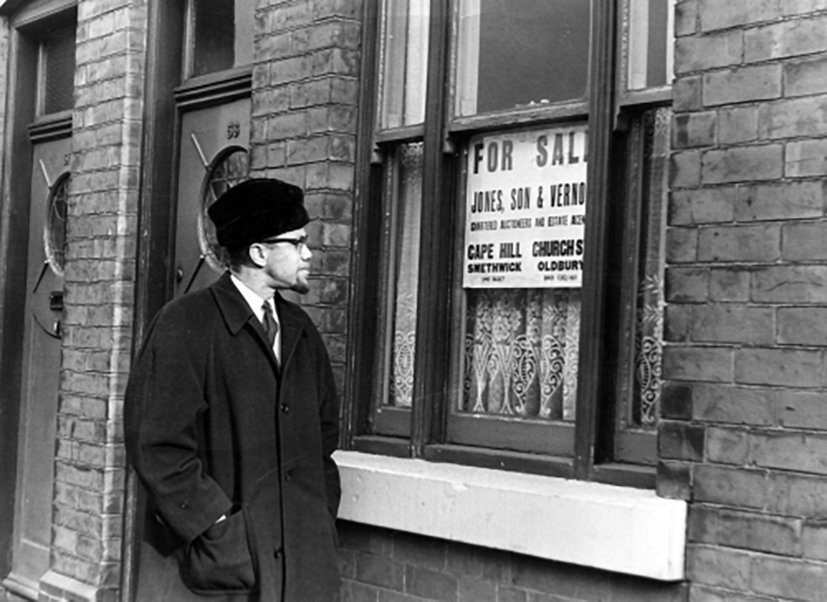
When Malcolm X visited Smethwick in February 1965, his walk along Marshall Street was captured by a BBC film crew, ensuring that the racial tensions in this Black Country town reached a national audience. Invited by the Indian Workers’ Association (IWA), Malcolm X came to witness the consequences of Smethwick Council’s policy of purchasing houses to prevent their sale to non-white families—a practice that echoed segregationist housing laws in the United States.
The BBC footage showed Malcolm X speaking directly with residents, listening to their experiences of exclusion and discrimination, and drawing stark comparisons between Smethwick and the racial segregation he had fought against in America. His remarks, especially his warning that the community “should not wait for Smethwick’s fascists to erect gas ovens before it organised itself,” carried immense weight when broadcast on national television.
For many Britons, this was the first time they had seen a leading international civil rights figure openly confront racism in their own country. The programme exposed audiences to the lived realities of Black and Asian migrants in Britain—overcrowded housing, colour bars in pubs and clubs, and hostility from neighbours—at a time when many preferred to believe racism was a uniquely American problem.
The BBC’s coverage amplified Malcolm X’s message of solidarity and resistance, linking struggles for equality in Birmingham and Smethwick to the global fight for civil rights. His televised presence challenged complacency, embarrassed local and national authorities, and galvanised activists.
Just days later, Malcolm X was assassinated in New York, but the BBC’s film ensured his words in Smethwick would endure as a powerful testament to the transnational dimensions of anti-racist struggle.
1965: Parents Protest Over Segregation in Birmingham Schools
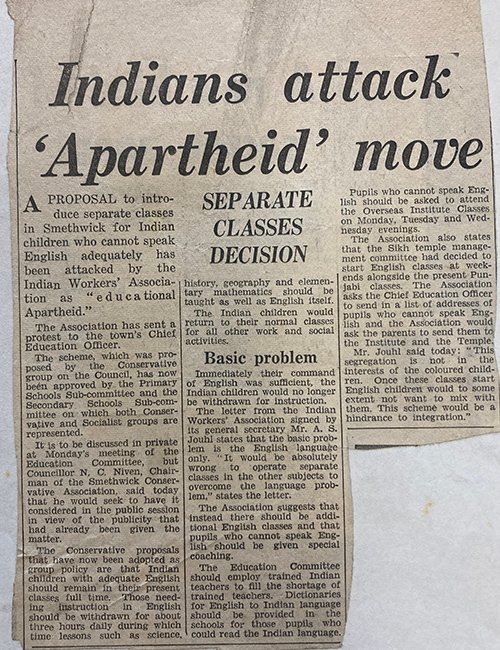
In 1965, parents at Grove Lane School in Birmingham—where 80% of pupils were from ethnic minority backgrounds—protested what they saw as educational disadvantage due to high concentrations of Black and Asian children. The protest reflected growing anxieties around race, migration, and education in a rapidly changing city.
The headteacher opposed segregation, affirming all children’s right to equal resources. Yet the protest exposed the challenges schools faced as post-war migration reshaped local demographics, with migrant families clustered in areas offering affordable housing.
In 1967, Birmingham’s Local Education Authority introduced a dispersal policy for secondary schools to reduce the number of “immigrant children” in certain institutions. Though framed as promoting integration and equal opportunity, the policy revealed underlying racial concerns about “strain” on schools.
The Grove Lane protest and the dispersal policy became key flashpoints in Birmingham’s education debate, highlighting persistent inequality and the racial tensions embedded in efforts to manage integration during a period of social transformation.
1967: Tarsem Singh Sandhu Leads the Turban Rights Campaign
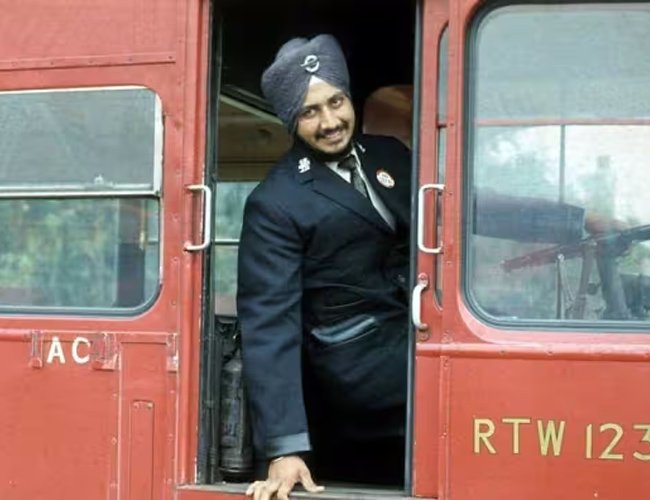
In 1967, the Birmingham Transport Committee banned bus conductors from wearing turbans, directly challenging the religious identity of Sikh men for whom the turban is sacred. Tarsem Singh Sandhu, a Sikh conductor in Wolverhampton, refused to comply and launched a campaign, supported by the Indian Workers’ Association (IWA), to defend the right to wear turbans at work.
The campaign became a landmark fight for religious freedom in Britain. The IWA organised protests, petitions, and public meetings, mobilising Sikh and wider Asian communities. Sandhu’s stand sparked national debate on religious expression, workers’ rights, and cultural recognition.
Critics argued that uniformity maintained discipline, but supporters saw the ban as institutional racism, demanding assimilation over inclusion. Sandhu and his allies insisted true equality respected cultural difference.
By the early 1970s, the pressure succeeded: transport authorities relaxed rules, allowing turbans in place of caps. Sandhu’s campaign set a crucial precedent, expanding workplace rights and shaping Britain’s evolving commitment to multiculturalism.
Watch here
1968: “Rivers of Blood,” Resistance in Birmingham, and the Birth of the Black People’s Alliance
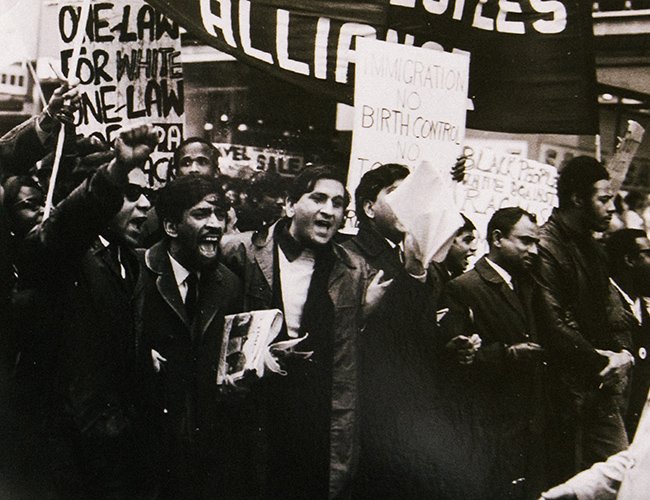
In April 1968, Conservative MP Enoch Powell delivered his infamous “Rivers of Blood” speech in Birmingham, warning that immigration would lead to national disaster. His words legitimised racist hostility, emboldened far-right groups, and gained support among sections of the white working class. In factories and foundries, some union members circulated petitions backing his call for immigration controls.
But Powell’s speech sparked fierce resistance. The Indian Workers’ Association (IWA) issued a “Unite and Fight” statement, condemning racism as a betrayal of working-class solidarity. When the Prime Minister visited Birmingham, the IWA led a march with placards reading “Black and White Unite” and “Prosecute Fascist Powell.”
Trade unions were divided. While leadership opposed racism, some members echoed Powell’s views. Black and Asian workers pushed back, insisting racism weakened collective strength.
In response, activists founded the Black People’s Alliance (BPA) in Leamington Spa, uniting 21 African, Asian, and Caribbean groups. Though Powell exposed deep-rooted racism, he also galvanised a new era of anti-racist activism and unity across Britain.
1968: Birmingham Commemorates Patrice Lumumba
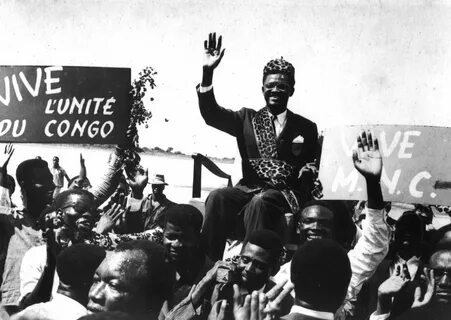
In 1968, a major public meeting at Digbeth Civic Hall honoured Patrice Lumumba, the Congolese independence leader executed in 1961 with the complicity of Western powers. For activists in Birmingham, Lumumba symbolised the violent repression of African liberation—and his legacy deeply resonated.
Around 1,000 people attended, making it one of the city’s largest anti-colonial gatherings of the decade. Jagmohan Joshi of the Indian Workers’ Association (IWA) delivered a powerful speech urging solidarity and led a march to the Birmingham Evening Mail to demand fairer coverage of Africa and Lumumba’s legacy.
The event linked global injustice with local struggles. Activists saw Lumumba’s assassination and Enoch Powell’s “Rivers of Blood” speech—also delivered in Birmingham that year—as expressions of the same racist, imperialist system.
Closely monitored by CID officers and the Economic League, the meeting reflected the state’s suspicion of radical organising. It marked Birmingham as a hub of internationalist activism, where anti-colonial and anti-racist struggles were united in purpose.
Watch here
Listen to George the poet
We use cookies to improve your experience on our site. By using our site, you consent to cookies.
Manage your cookie preferences below:
Essential cookies enable basic functions and are necessary for the proper function of the website.
These cookies are needed for adding comments on this website.
You can find more information about our Cookie Policy and Privacy Policy.